What Insulated Siding Involves
Insulated siding is a specialized exterior cladding product that features a contoured layer of expanded polystyrene (EPS) foam permanently laminated to the back of each siding panel. Unlike traditional hollow-back vinyl siding, insulated siding fills the gap between the panel and your wall sheathing, creating a continuous thermal envelope around your home. This added layer of rigid insulation increases the effective R-value of your exterior walls and helps eliminate thermal bridging through studs.
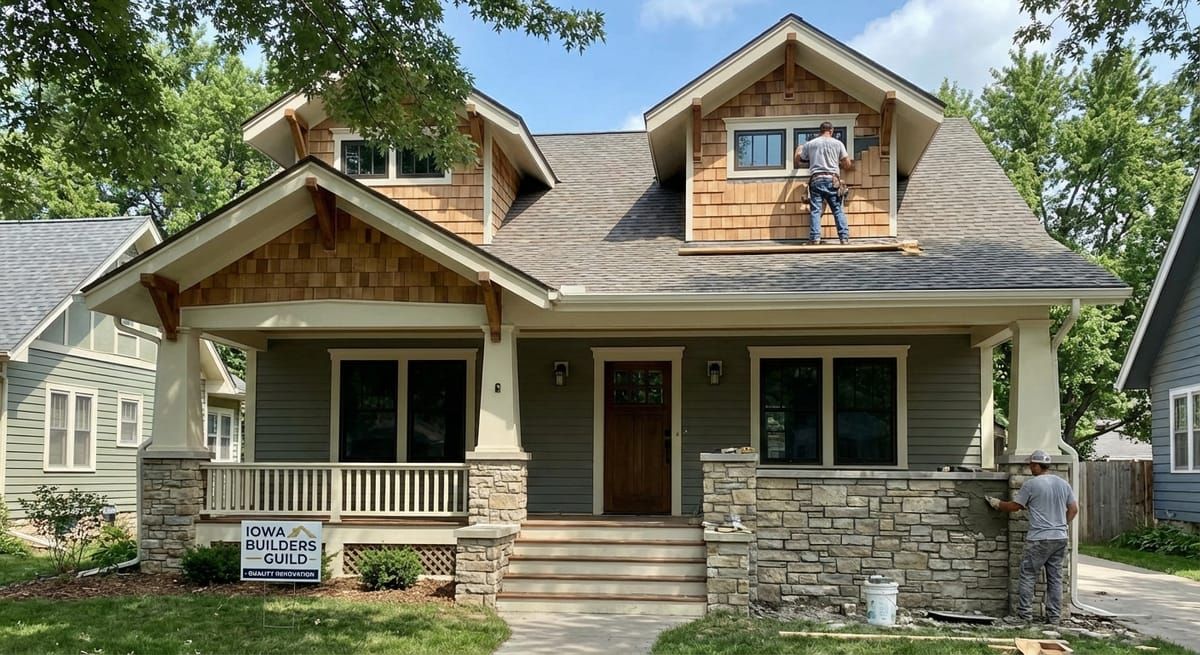
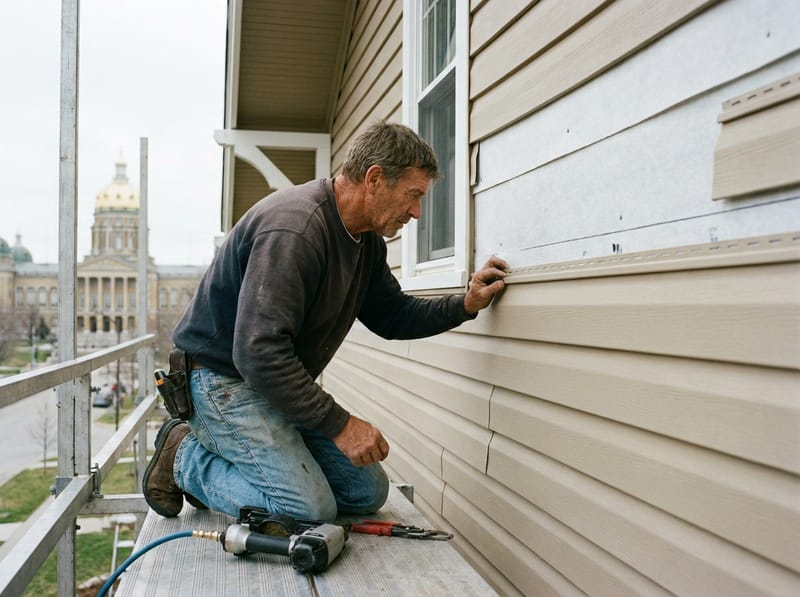
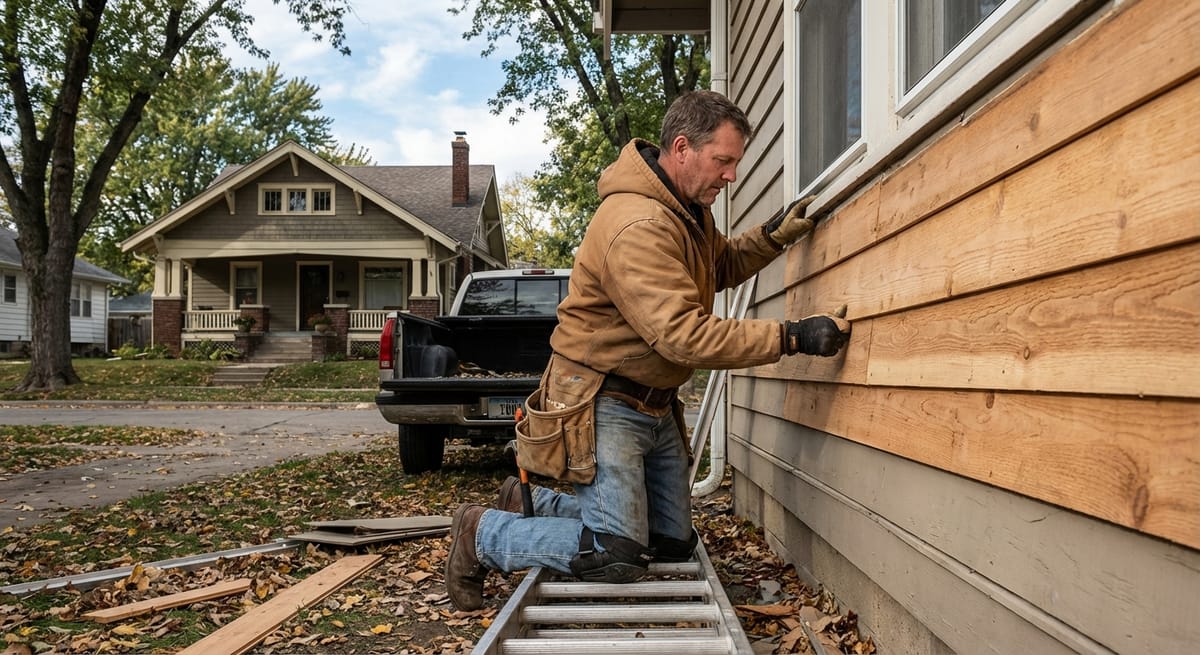
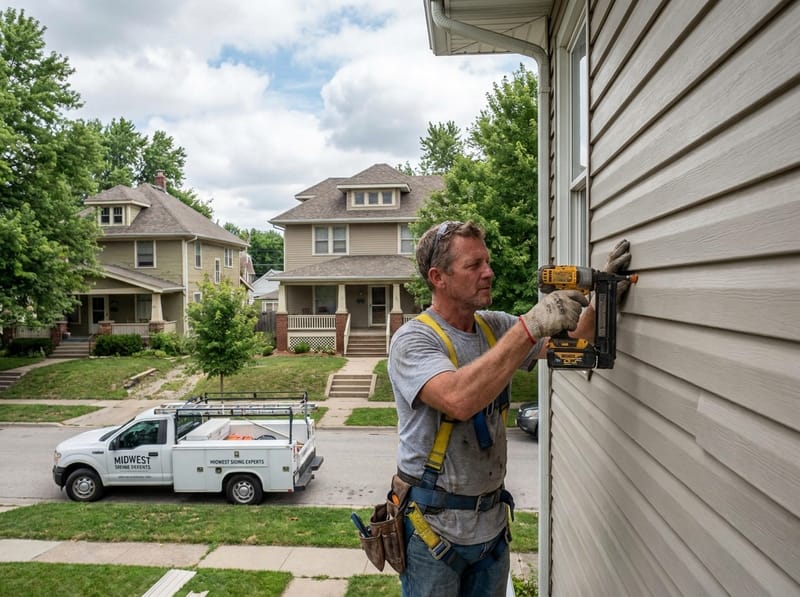
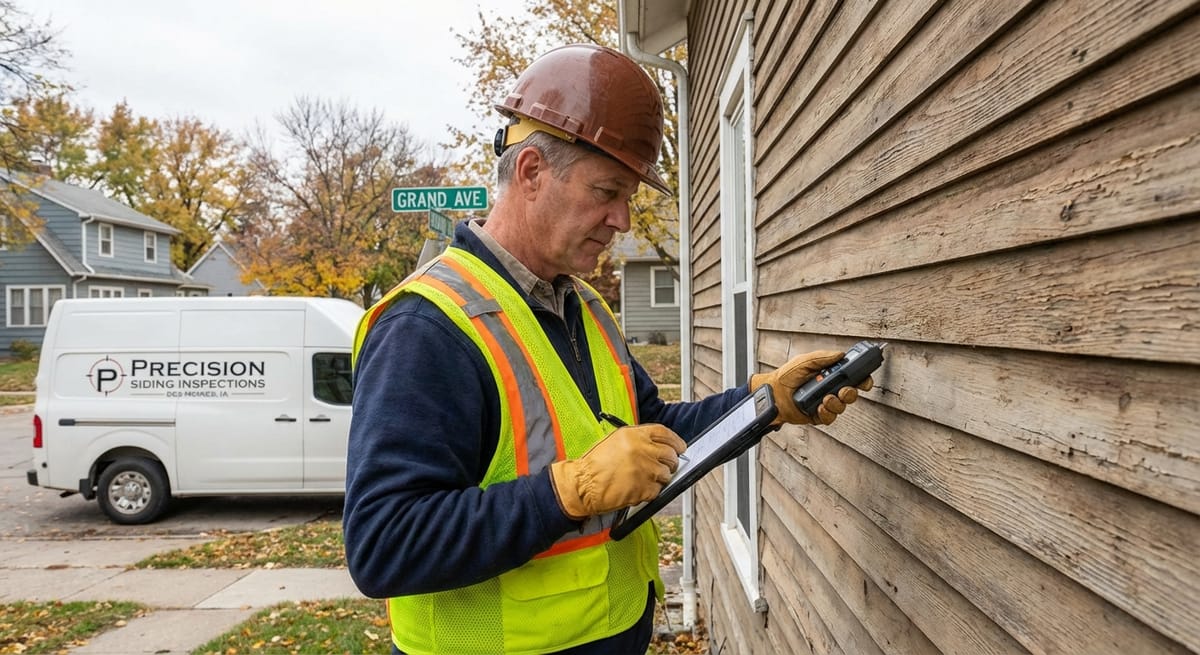
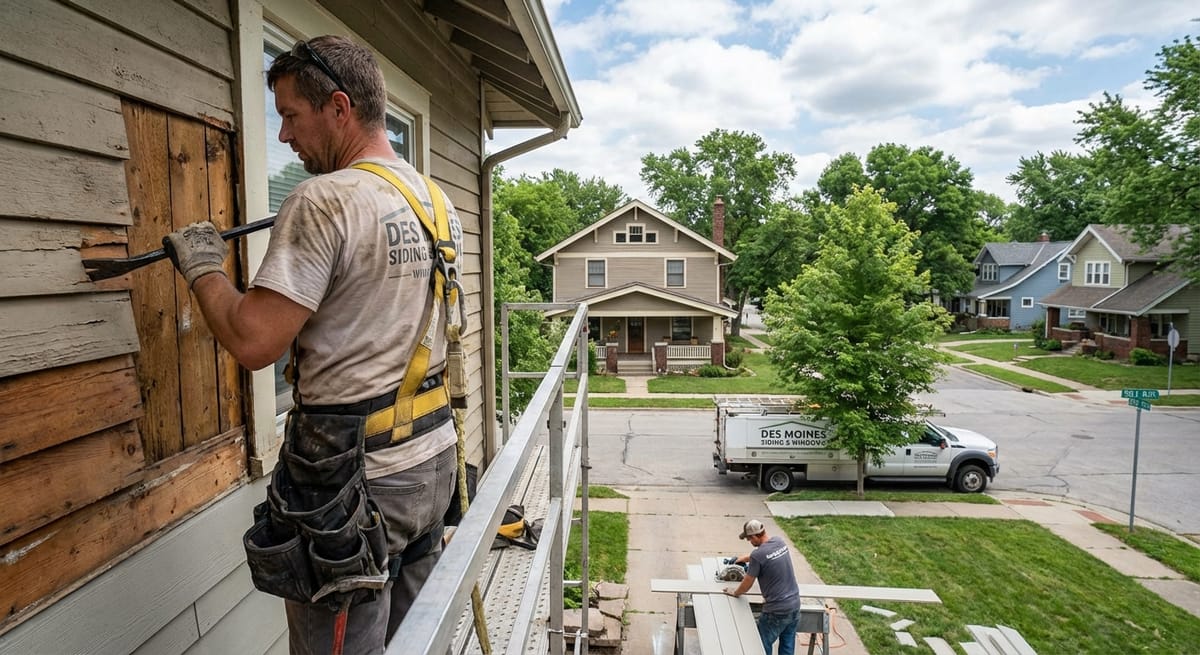
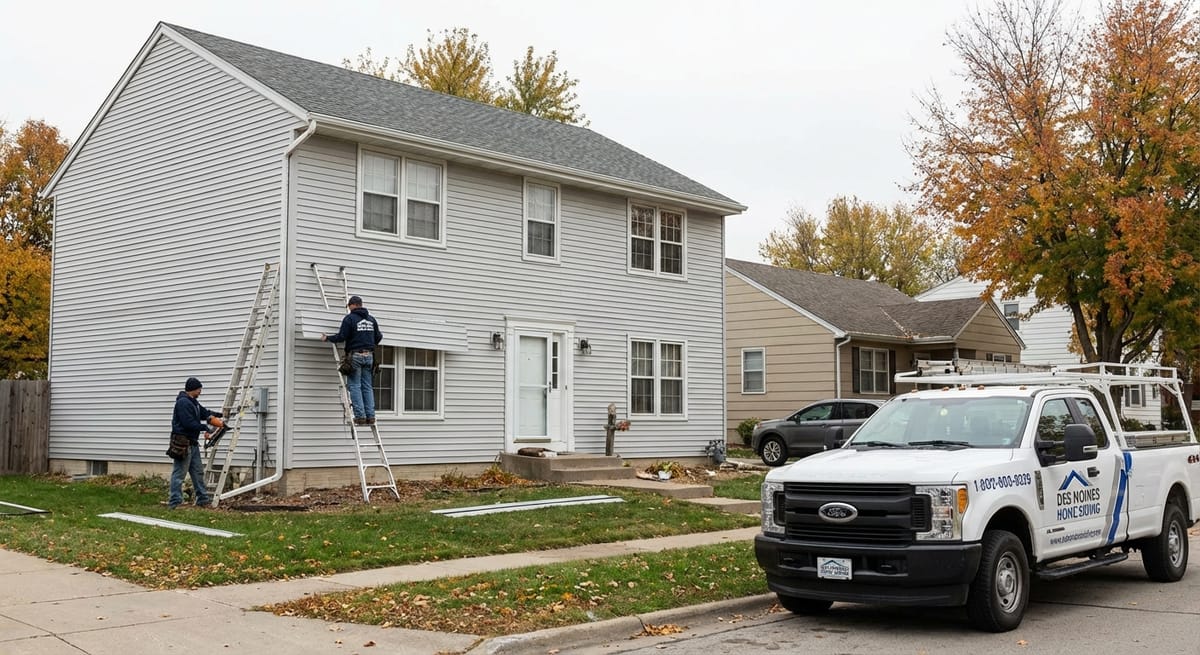
The installation process begins with a thorough inspection of your existing exterior. Our crew removes old siding, evaluates the wall sheathing and housewrap for damage, and makes any necessary repairs before proceeding. A quality moisture barrier is applied or verified to protect the underlying structure. Each insulated panel is then precisely cut, fitted, and secured according to manufacturer specifications, ensuring tight joints and proper overlap at corners, windows, and doors. Trim, J-channel, and accessories are installed to complete the finished appearance and seal vulnerable transition points against moisture intrusion.
Insulated siding is available in a wide range of profiles, textures, and colors, including options that replicate the look of cedar shakes, board-and-batten, and traditional clapboard. Regardless of the style you select, the rigid foam backing provides consistent insulation performance and added structural rigidity that resists impacts, warping, and sagging more effectively than standard hollow-back panels.
When You Need Insulated Siding
There are several situations where insulated siding becomes the right choice for a Des Moines homeowner. If you notice that certain rooms feel consistently drafty or that your heating and cooling system runs more than it should, the problem may stem from insufficient wall insulation. Insulated siding addresses this by supplementing your existing cavity insulation with a continuous exterior layer that limits heat loss in winter and heat gain in summer.
Homeowners preparing for a full siding replacement often find that upgrading to insulated panels is a cost-effective decision. Since the labor involved in removing and replacing siding is already part of the project scope, the incremental cost of choosing insulated panels over standard hollow-back products is relatively modest compared to the long-term energy savings and comfort improvements.
You should also consider insulated siding if your current exterior shows signs of age, such as fading, cracking, warping, or loosening panels. Storm damage, persistent moisture problems behind the siding, and visible mold or mildew growth on the surface all indicate that the existing material has reached the end of its useful life. Replacing damaged siding with an insulated product addresses both the cosmetic and performance deficiencies at the same time.
Why Siding Problems Happen
Exterior siding deteriorates for several interconnected reasons, and understanding these causes helps homeowners make informed decisions about repairs and replacements. In the Des Moines climate, seasonal temperature swings place significant stress on siding materials. Vinyl panels expand and contract with heat and cold, and over many cycles, this movement can loosen fasteners, open seams, and cause panels to warp or buckle. Standard hollow-back siding is particularly susceptible because it lacks the structural reinforcement that foam backing provides.
Moisture is another persistent adversary. When water infiltrates behind siding through gaps at trim, windows, or damaged areas, it can saturate wall sheathing and promote mold growth, wood rot, and insulation degradation. Improperly installed flashing, missing housewrap, and clogged weep holes all contribute to moisture accumulation. Insulated siding mitigates some of these risks by fitting more snugly against the wall surface, reducing the cavity where moisture can collect and air can circulate behind the panels.
Wind-driven rain and hail, both common in central Iowa, can crack or dent siding panels. Hollow-back products are more vulnerable to impact damage because the panel flexes into empty space behind it. The rigid foam core in insulated siding absorbs and distributes impact energy more effectively, offering measurably better resistance to dents and punctures from hail and windborne debris.
What Affects the Cost of Insulated Siding
Several factors influence the total investment required for an insulated siding project, and a transparent understanding of these variables helps you plan and budget with confidence. The size and layout of your home are the most significant factors. Larger homes require more material and labor, and homes with complex architectural features such as dormers, bay windows, multiple gables, and varied rooflines demand more precise cutting and fitting, which increases installation time.
The condition of your existing exterior also plays a role. If the underlying wall sheathing, housewrap, or framing requires repair before new siding can be installed, those additional tasks add to the project scope. Homes with multiple layers of old siding that need to be removed will also incur higher labor costs than homes with a single layer in reasonably good condition.
Your choice of siding profile, texture, and color affects material pricing. Premium lines that replicate natural wood grain or offer enhanced color-fade warranties typically carry a higher per-panel cost than standard smooth or lightly textured options. Specialty trim packages and architectural accents such as decorative shakes or scallops for gable ends also influence the overall material budget.
Finally, the time of year can affect project scheduling and pricing. In Des Moines, demand for siding installation peaks during the spring and summer months. Planning your project during the shoulder seasons of early spring or late fall may offer more flexible scheduling and, in some cases, more competitive pricing.
Repair vs. Replacement for Insulated Siding
Deciding between repairing a few damaged panels and replacing your entire siding system depends on the scope and severity of the issues you are facing. If damage is limited to a small area, such as a section impacted by a fallen branch or localized hail strike, a targeted repair may be the most practical solution. Our team can source matching insulated panels and replace the affected sections without disturbing the rest of your exterior.
However, if your siding exhibits widespread problems, a full replacement is typically the more dependable long-term investment. Signs that warrant complete replacement include large areas of warping or buckling, persistent moisture intrusion behind the panels, extensive fading or discoloration that cleaning cannot resolve, and structural issues with the underlying sheathing that require broad access for repair.
It is also worth noting that older siding products may no longer be available in matching profiles or colors, making seamless repairs difficult. When patched sections are visually obvious, the resulting patchwork appearance can diminish your home's curb appeal and resale value. In these situations, a full replacement with a current insulated siding product delivers a uniform, attractive finish along with the energy-efficiency benefits of modern foam-backed construction.
Energy Efficiency Benefits in the Des Moines Climate
Des Moines experiences a continental climate with cold winters that regularly bring temperatures well below freezing and hot, humid summers that push cooling systems to their limits. Insulated siding is particularly well suited to this environment because it addresses thermal performance on a continuous basis, rather than relying solely on cavity insulation between wall studs.
Standard fiberglass batt insulation in wall cavities can leave thermal bridges at every stud, plate, and header, allowing heat to conduct through the framing members. Insulated siding covers the entire exterior surface, including the areas over studs, creating a thermal break that reduces this bridging effect. Studies by independent testing organizations have demonstrated that insulated siding can improve a wall system's effective R-value by up to R-2 to R-5, depending on the product and installation method.
For Des Moines homeowners, this translates to measurable reductions in heating and cooling expenses. The continuous insulation layer also helps stabilize interior temperatures, reducing the temperature differential between rooms on exterior walls and interior rooms. The result is a more comfortable living environment with fewer cold spots near exterior walls during the winter months.
Our Commitment to Dependable Results
When you choose Des Moines Home Siding for your insulated siding project, you receive a comprehensive process designed to deliver lasting value. We begin with a detailed on-site evaluation and provide a clear, written proposal that outlines the full scope of work, material selections, and project timeline. Our installation crews follow manufacturer-recommended practices to ensure that your warranty remains fully valid.
We stand behind our work with a workmanship guarantee that covers the installation itself, separate from the manufacturer's material warranty. This dual layer of protection gives you confidence that both the product and the labor meet the highest standards. Our team remains available after project completion to address any questions or concerns that arise, because we believe that dependable service extends well beyond the final day of installation.
Des Moines homeowners who invest in insulated siding benefit from improved energy performance, enhanced curb appeal, and a quieter interior living environment. If you are considering an upgrade to your home's exterior, contact Des Moines Home Siding for a thorough consultation and a detailed estimate tailored to your specific property and goals.