What a Siding Inspection Involves
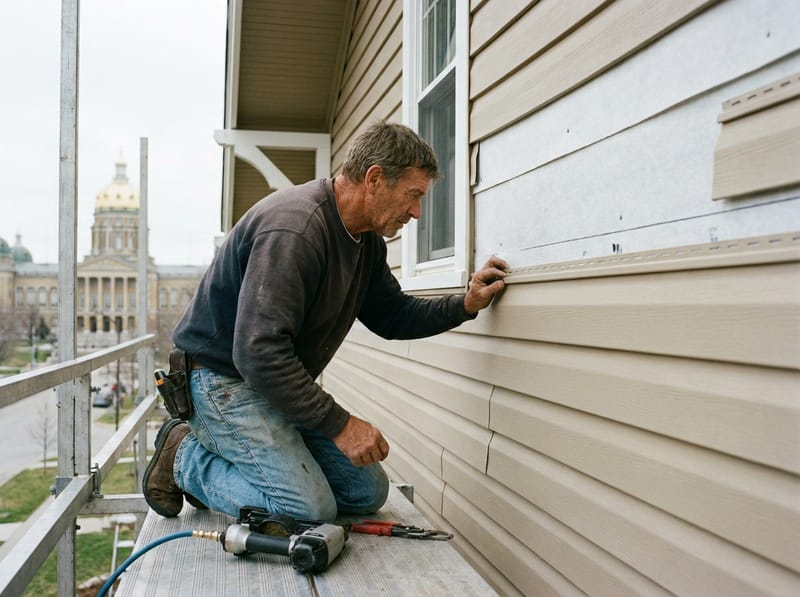
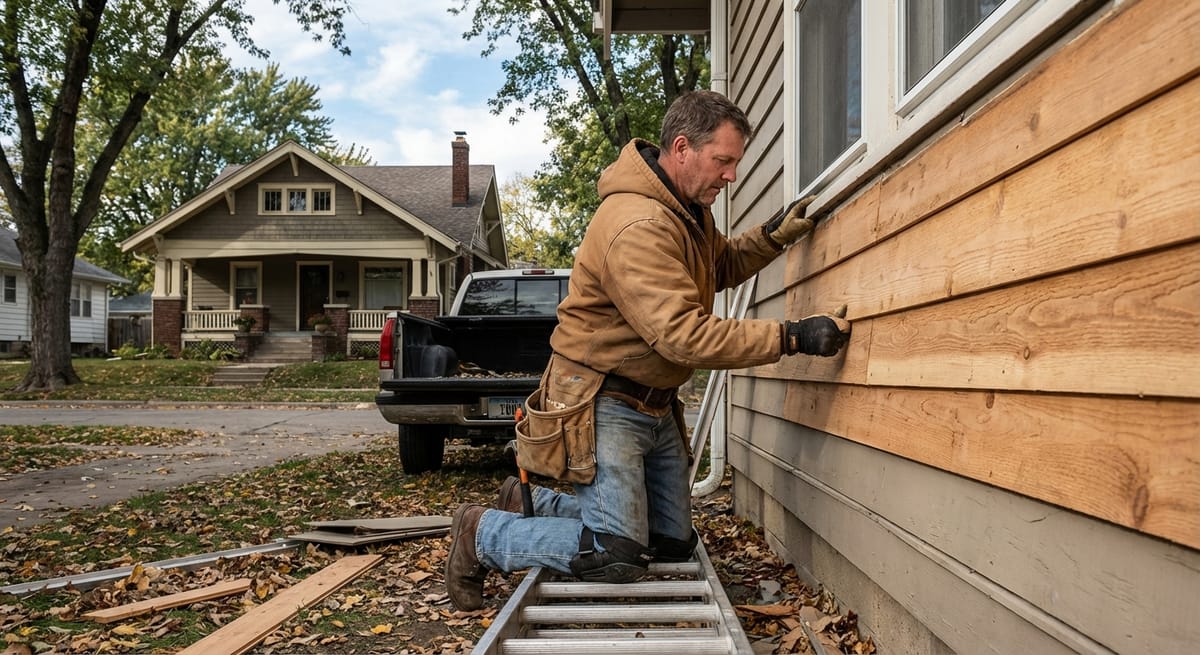
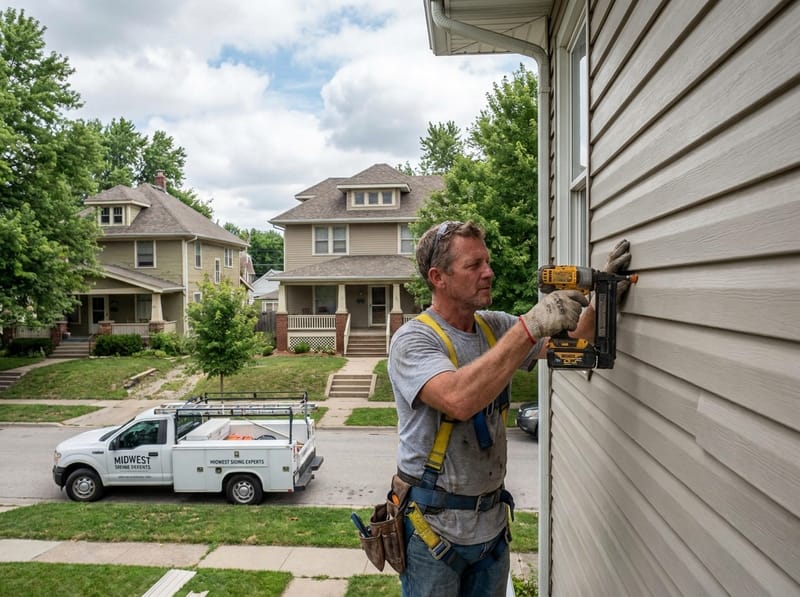
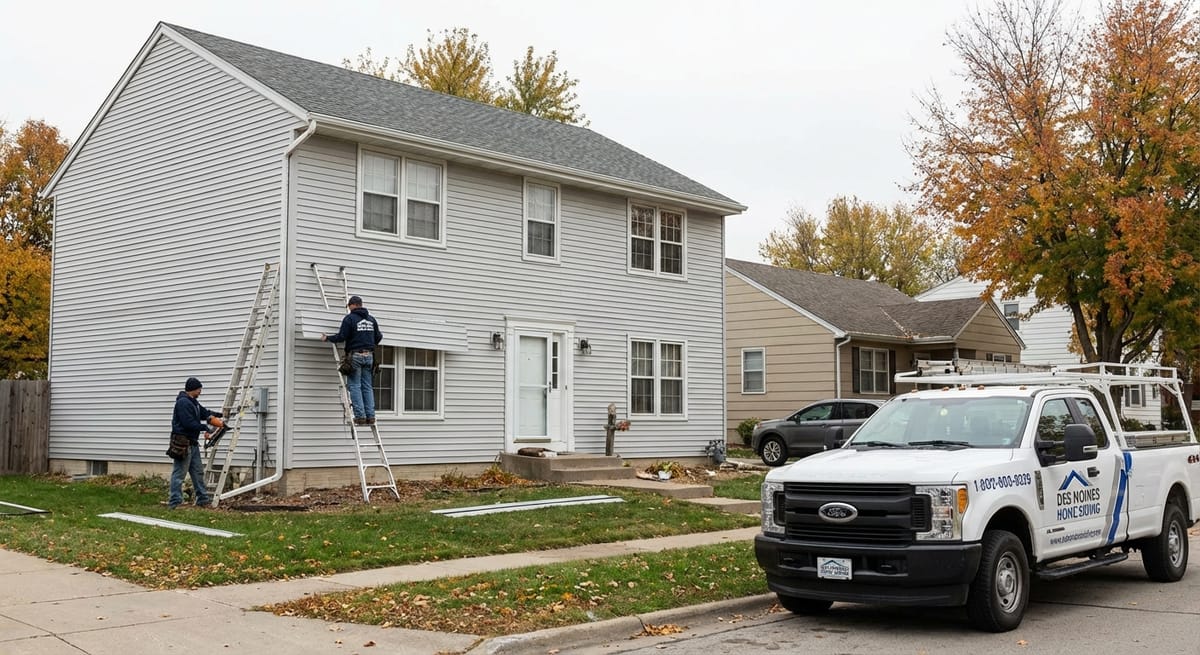
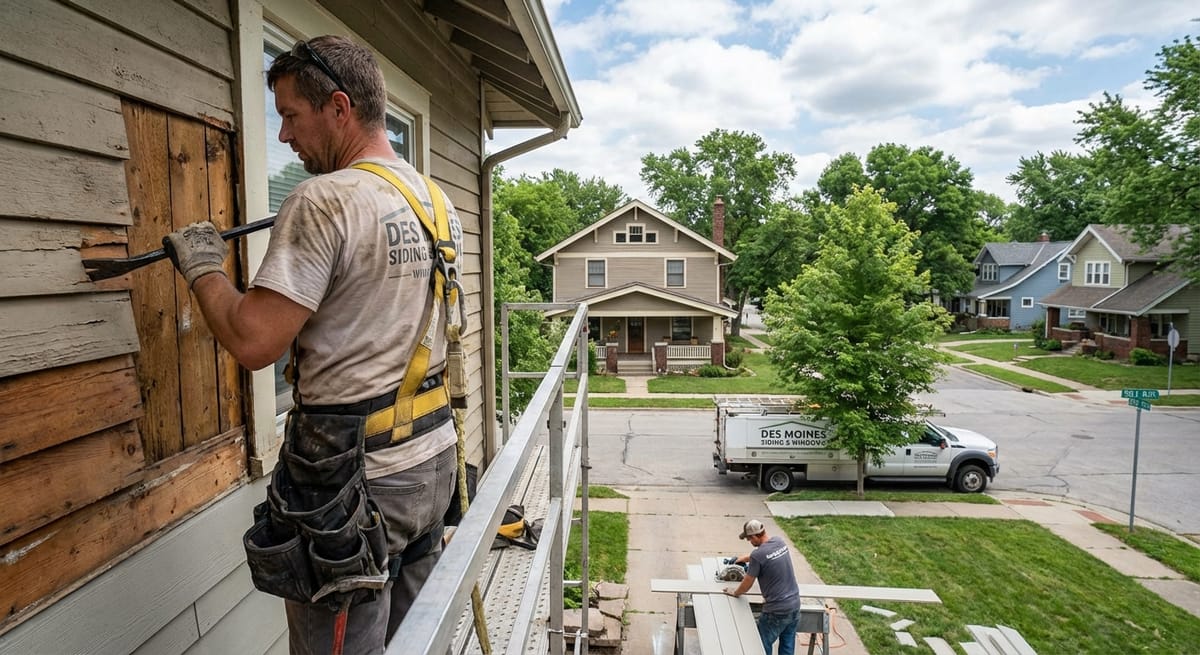
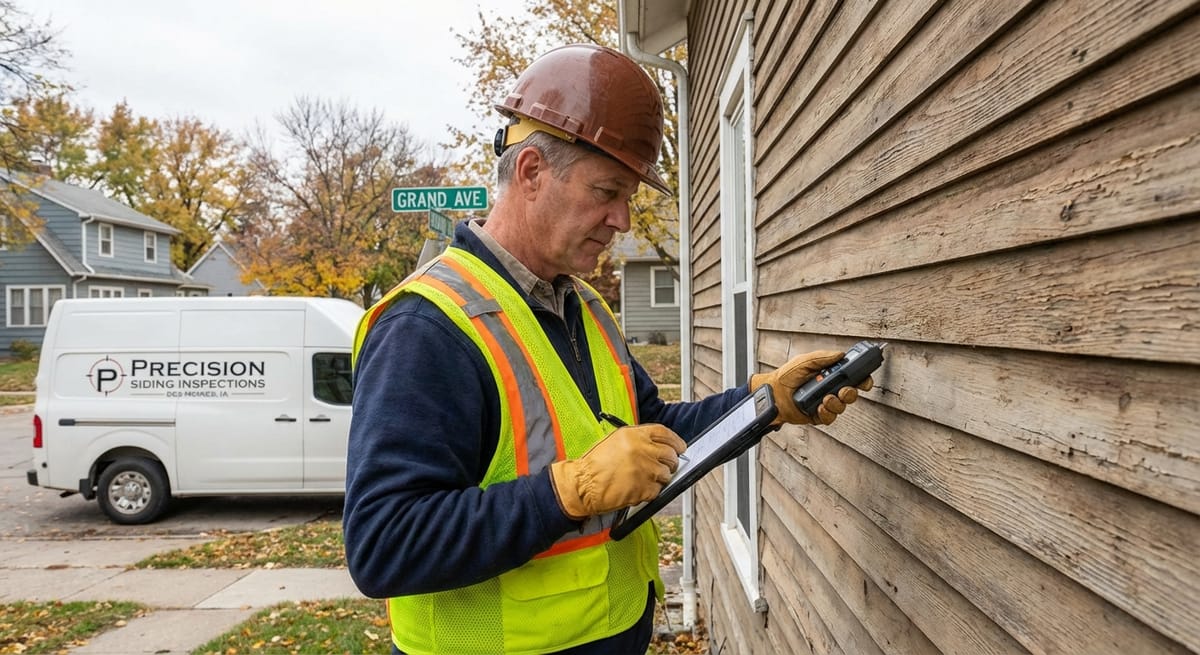
A professional siding inspection is a systematic evaluation of your home's entire exterior cladding system. During a siding inspection in Des Moines, our trained technicians examine every accessible panel, seam, and connection point on your home. The process begins with a visual assessment of the siding surface, looking for signs of cracking, warping, fading, buckling, or separation between panels. We then evaluate the condition of trim pieces, corner posts, J-channels, and soffit components that work together with your siding to form a complete protective envelope.
Beyond the surface, our inspectors check for evidence of moisture penetration behind the siding. This includes probing areas where water tends to collect, examining flashing around windows and doors, and assessing whether caulking and sealant joints remain intact. We also evaluate the condition of the underlying sheathing and housewrap where accessible, because damage behind the siding can be far more consequential than what appears on the surface. Upon completion, you receive a detailed report outlining our findings, complete with photographs documenting any areas of concern and recommendations for next steps.
When You Need a Siding Inspection
Several situations call for a professional siding inspection in Des Moines. Knowing when to schedule one can save you significant time and money by catching problems at their earliest stage.
- After severe weather events: Des Moines experiences hail, high winds, and ice storms that can cause immediate or latent damage to vinyl siding. Even if your home appears unscathed after a storm, hidden impacts such as hairline cracks or loosened panels may not become visible until weeks later.
- Before buying or selling a home: A pre-purchase siding inspection gives buyers confidence in the condition of the exterior, while sellers benefit from addressing issues proactively to avoid surprises during the transaction process.
- When you notice visible changes: Bubbling, peeling, discoloration, or panels that appear to sag or pull away from the wall are clear indicators that something has changed and warrants professional evaluation.
- Routine maintenance intervals: Even when no obvious problems exist, scheduling a siding inspection every few years is a sound preventive measure. Vinyl siding in the Des Moines climate faces consistent thermal cycling, UV exposure, and moisture challenges that gradually affect performance.
- Following nearby construction or landscaping work: Excavation, tree removal, or construction activity near your home can cause unintended damage to siding through vibration, debris impact, or altered drainage patterns.
Why Siding Problems Develop
Understanding the root causes of siding deterioration helps homeowners appreciate the value of regular inspections. In Des Moines, several factors contribute to siding wear and damage over time.
Thermal expansion and contraction is one of the primary stressors on vinyl siding. Iowa's temperature swings between hot summers and frigid winters cause siding panels to expand and contract repeatedly. Over many seasons, this movement can loosen fasteners, widen gaps between panels, and create stress fractures that allow moisture entry.
Moisture intrusion represents the most consequential threat to your home's exterior system. Water that penetrates behind siding through damaged seams, failed caulking, or improperly flashed openings can lead to mold growth, wood rot in sheathing and framing, and insulation degradation. These issues often progress silently behind the siding surface, making them difficult to detect without a professional inspection.
UV degradation affects the chemical composition of vinyl siding over the years, causing fading, brittleness, and reduced impact resistance. South-facing and west-facing walls in Des Moines homes typically show accelerated UV wear compared to shaded or north-facing surfaces.
Improper original installation is another common source of problems. Vinyl siding must be installed with specific nailing patterns and expansion gaps to accommodate thermal movement. Panels nailed too tightly or without adequate clearance at joints will eventually buckle or warp, and these installation deficiencies may not become apparent until several seasons have passed.
What Affects the Cost of a Siding Inspection
The investment required for a professional siding inspection in Des Moines depends on several factors, and understanding these variables helps homeowners plan accordingly.
- Home size and stories: A larger home with more exterior surface area requires additional time to inspect thoroughly. Multi-story homes also involve more complex access requirements compared to single-level structures.
- Accessibility: Homes with dense landscaping, steep terrain, or architectural features that limit access to certain wall sections may require additional effort and specialized equipment to inspect completely.
- Scope of inspection: A general condition assessment differs in depth from an inspection prompted by a specific concern such as suspected moisture damage or storm impact evaluation. Targeted inspections that include moisture meter readings or thermal imaging involve additional diagnostic tools.
- Age and condition of siding: Older siding installations with more wear typically require more detailed documentation and evaluation time than relatively new installations being checked as a preventive measure.
- Report detail level: Some homeowners need a basic pass-fail assessment, while others, particularly those involved in real estate transactions or insurance claims, require comprehensive written reports with photographic documentation.
Repair vs. Replacement: What Your Inspection May Reveal
One of the most valuable outcomes of a siding inspection is clear guidance on whether your home needs targeted repairs or a full siding replacement. This distinction has significant financial implications, and our inspection findings provide the evidence needed to make a confident decision.
When repair is the right path: Isolated damage affecting a small number of panels, localized moisture issues that have not compromised the underlying structure, and cosmetic concerns limited to specific areas are all situations where targeted repair is practical and cost-effective. Replacing individual panels, resealing joints, and addressing minor flashing deficiencies can extend the functional life of your existing siding system substantially.
When replacement becomes necessary: Widespread cracking or brittleness across multiple walls, systemic moisture damage to sheathing or framing, significant fading or chalking that compromises curb appeal across the entire home, and obsolete siding products for which replacement panels are no longer available all point toward full replacement as the more prudent investment. In these cases, the cumulative cost of ongoing repairs typically exceeds the value of a comprehensive replacement.
Our inspection report clearly communicates which category your home falls into, along with the specific findings that support our recommendation. We believe homeowners deserve transparent information to weigh their options without pressure.
Our Inspection Process and Commitment to Quality
Des Moines Home Siding approaches every inspection with the same methodical thoroughness, regardless of the home's size or the reason for the assessment. Our process follows a structured checklist developed from extensive field experience with vinyl siding systems in the Des Moines climate.
We begin with a perimeter walk to document overall conditions and identify areas requiring closer examination. Each wall elevation is then inspected systematically from foundation level to roofline, with particular attention paid to transition points, penetrations, and areas prone to moisture accumulation. We document findings with dated photographs and detailed notes, creating a record that serves as both an immediate reference and a baseline for future comparison.
Every inspection is backed by our commitment to honest, straightforward reporting. We identify what needs attention, what can be monitored over time, and what is performing as expected. This balanced approach gives you a complete picture of your siding's condition rather than an alarmist summary designed to generate unnecessary work. You can count on us to deliver dependable assessments that prioritize your home's long-term protection and your peace of mind.
Protecting Your Des Moines Home Investment
Your home's siding is more than an aesthetic feature. It serves as the primary barrier against wind, rain, snow, and temperature extremes that characterize central Iowa's climate. A proactive approach to siding inspection protects not only the siding itself but also the structural components, insulation, and interior finishes that depend on an intact exterior envelope.
Scheduling regular inspections with Des Moines Home Siding is one of the most effective steps you can take to preserve your property's value and avoid unexpected repair expenses. Our team is ready to provide the thorough, dependable evaluation your home deserves. Contact us to arrange your siding inspection and gain the confidence that comes from knowing exactly where your home stands.