What Vinyl Siding Installation Involves
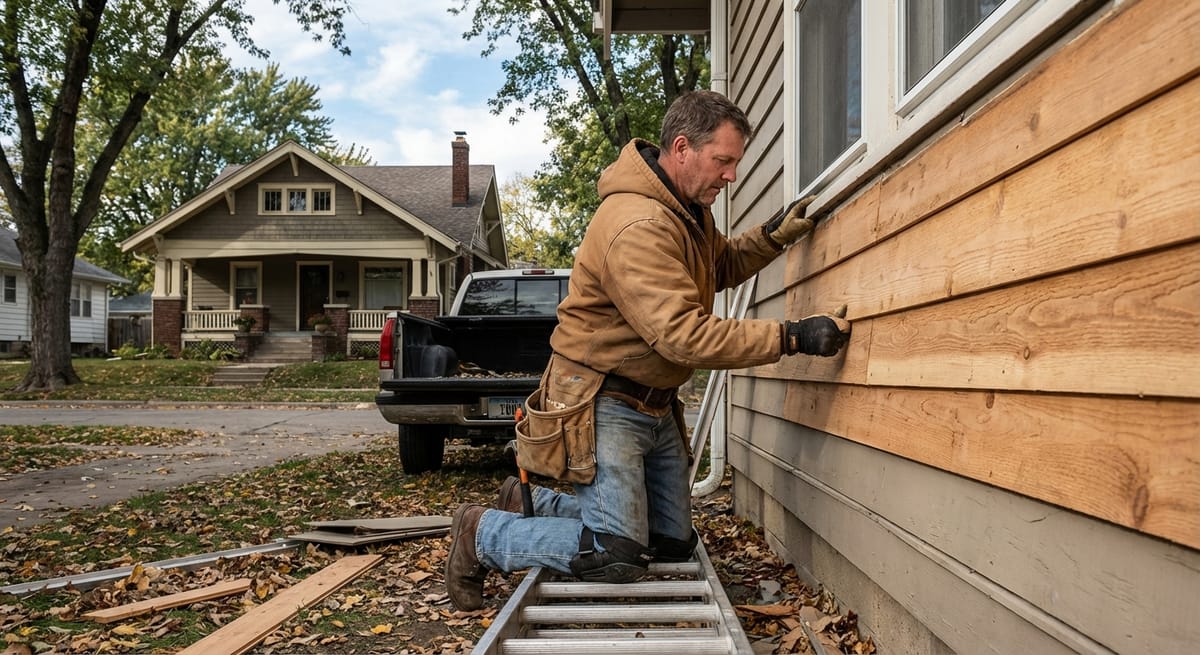
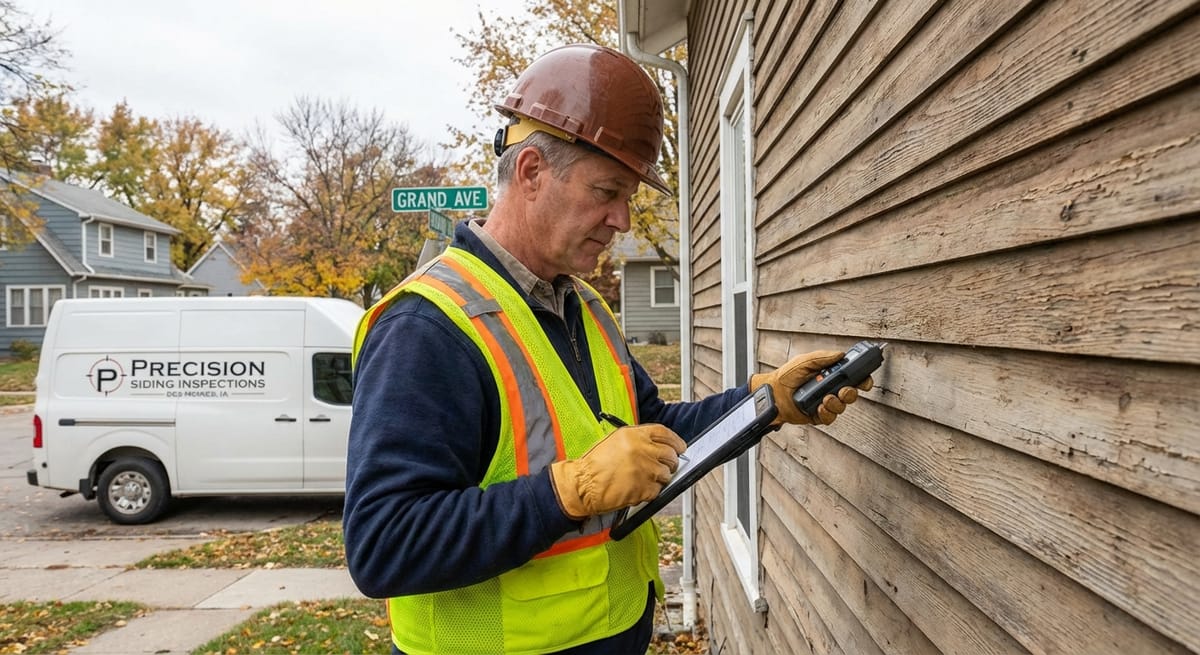
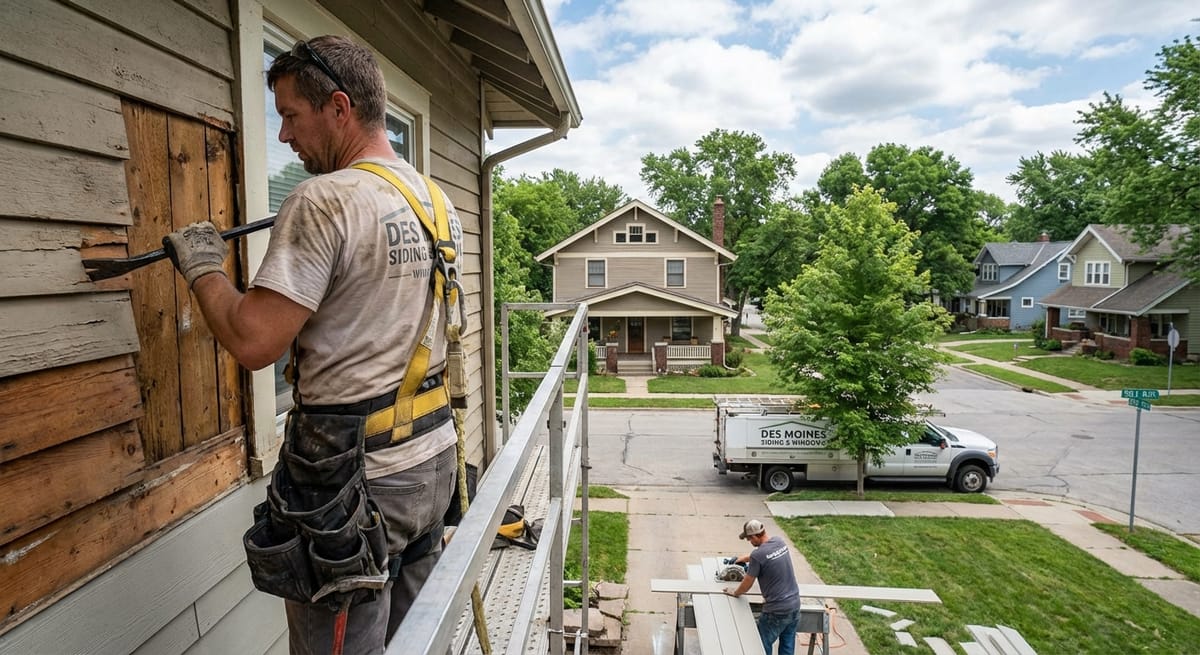
Vinyl siding installation is a comprehensive exterior improvement project that transforms and protects your home. The process begins with a thorough assessment of your home's exterior walls, checking for structural integrity, moisture damage, and any underlying issues that must be addressed before new siding is applied. If existing siding is present, it is carefully removed and disposed of, and the wall sheathing is inspected for rot or deterioration.
Once the substrate is confirmed sound, the installation team applies a weather-resistant barrier — often a housewrap membrane — to guard against moisture infiltration. Rigid foam insulation boards may also be added at this stage to boost your home's thermal performance. Starter strips are then leveled and fastened along the base of the walls, establishing the foundation line for the first row of panels.
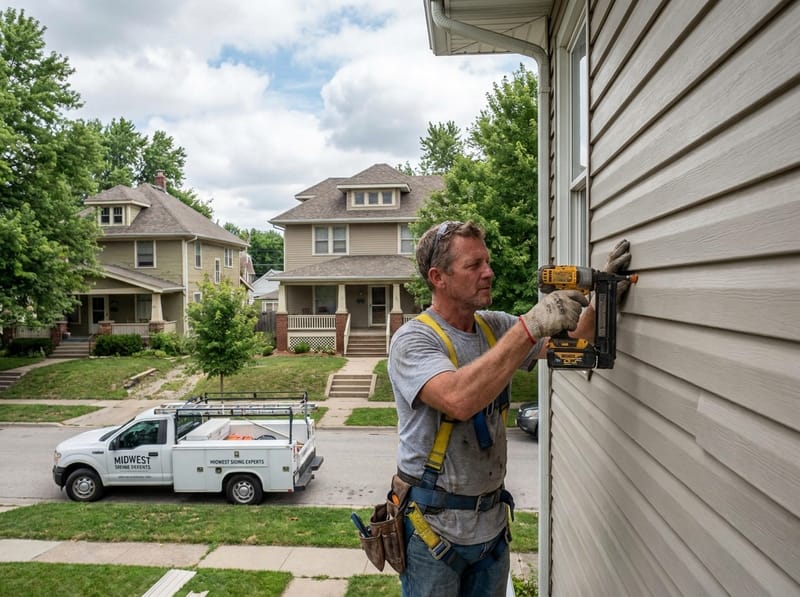
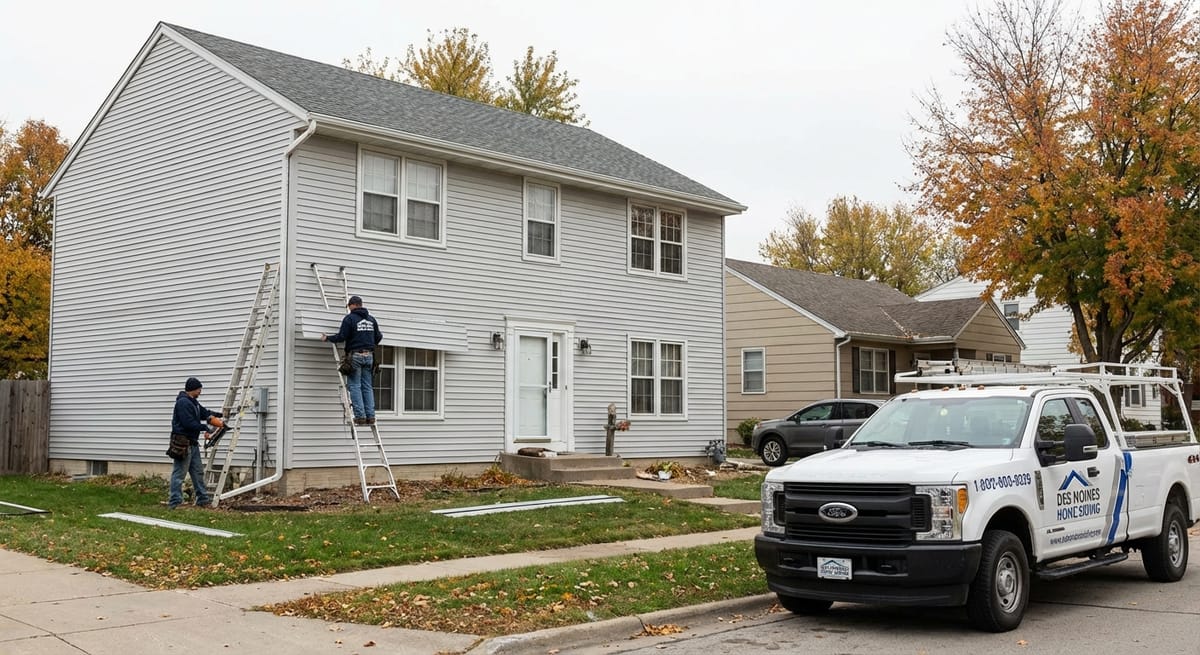
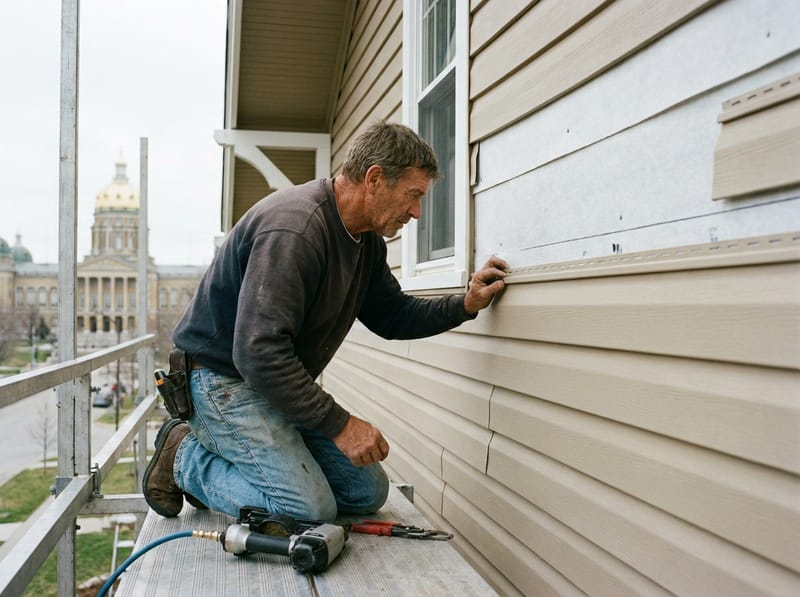
Each vinyl panel is measured, cut to fit, and secured with corrosion-resistant fasteners. Panels interlock with one another through a tongue-and-groove system, creating a seamless appearance while allowing for natural thermal expansion and contraction. Trim pieces, J-channels, and corner posts are installed around windows, doors, soffits, and architectural features to ensure a clean, finished look. The final result is a uniform, weather-tight exterior that requires minimal upkeep for years to come.
When You Need Vinyl Siding Installation
Several situations indicate that it may be time to consider new vinyl siding for your Des Moines home. Recognizing these signs early helps you avoid more extensive and costly repairs down the road.
- Visible deterioration: Cracked, warped, or buckling panels are clear indicators that your current siding is no longer performing as intended. These defects allow moisture to reach the wall sheathing, which can lead to mold growth and structural damage.
- Frequent painting or maintenance: If your wood or fiber cement siding demands repainting every few years, switching to vinyl eliminates that recurring expense and effort.
- Rising energy bills: Drafts and inconsistent indoor temperatures may signal that your siding and insulation are underperforming. Modern insulated vinyl siding significantly reduces thermal bridging.
- Storm damage: Des Moines experiences hail, high winds, and severe thunderstorms. If a storm has left your siding dented, punctured, or torn away, replacement restores your home's protective envelope.
- Outdated appearance: Faded, discolored, or stylistically dated siding diminishes your home's curb appeal and resale value. New vinyl siding is available in a wide range of colors, textures, and profiles that replicate the look of wood, cedar shake, or board-and-batten.
Why Siding Problems Develop
Understanding the root causes of siding failure helps homeowners make informed decisions about repair or replacement. In the Des Moines region, several factors contribute to siding deterioration.
Weather extremes: Iowa's climate subjects siding to intense summer heat, sub-zero winter cold, freeze-thaw cycles, and heavy precipitation. Over time, these conditions cause materials to expand, contract, and eventually crack or warp.
Improper installation: Siding that was not installed according to manufacturer specifications is prone to premature failure. Common installation errors include nailing panels too tightly (which prevents thermal movement), failing to overlap panels correctly, and neglecting to apply a proper moisture barrier.
Moisture infiltration: When water finds its way behind siding — through gaps, failed caulking, or missing flashing — it can saturate wall sheathing, promote mold and mildew, and compromise the structural integrity of your home.
Age and material fatigue: Even well-maintained siding has a finite service life. Older vinyl formulations may become brittle after prolonged UV exposure, making them susceptible to impact damage from hail or wind-blown debris.
What Affects the Cost of Vinyl Siding Installation
The investment required for vinyl siding installation depends on several project-specific variables. While every home is different, understanding these factors provides a realistic framework for budgeting.
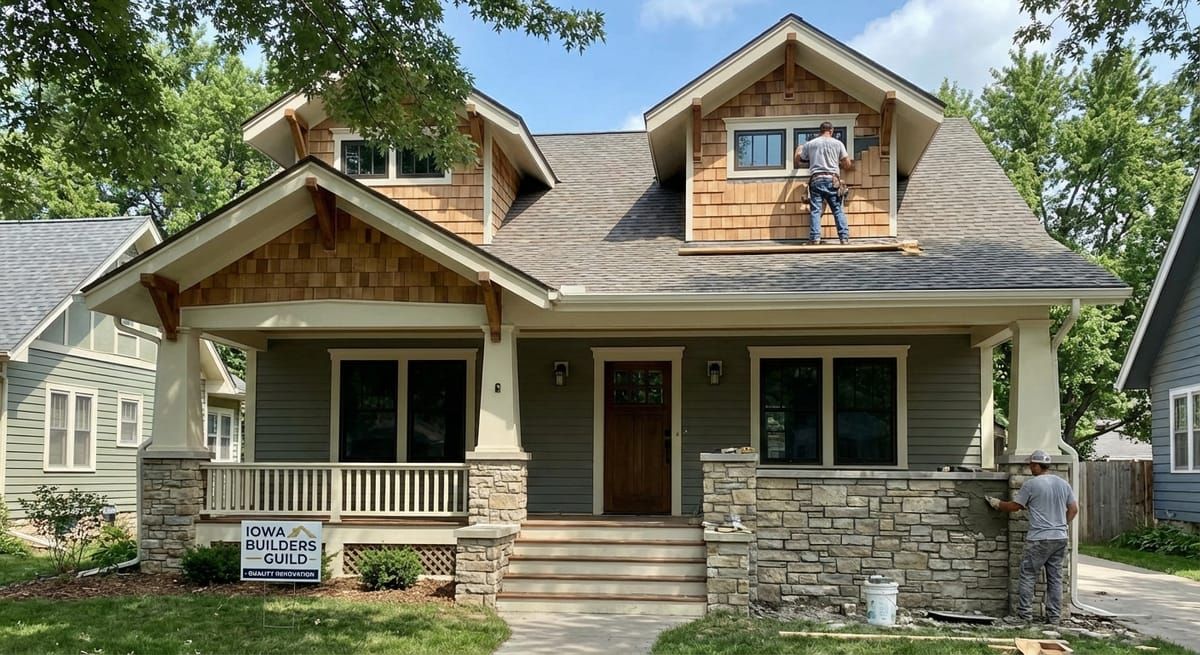
- Home size and layout: Larger homes require more material and labor. Homes with complex architectural details — dormers, bay windows, multiple gables — involve additional cutting, fitting, and trim work that increases project scope.
- Siding grade and style: Vinyl siding is available in various thicknesses and profiles. Premium insulated panels with realistic wood-grain textures cost more than standard smooth-finish options, but they deliver superior durability and energy savings.
- Removal of existing siding: If old siding must be stripped before installation, the additional labor and disposal requirements add to the overall cost.
- Substrate repairs: Damaged sheathing, rotted framing, or compromised moisture barriers discovered during removal must be corrected before new siding goes on. These repairs are essential to a long-lasting installation.
- Insulation upgrades: Adding rigid foam insulation beneath the siding improves energy efficiency but represents an additional material and labor expense.
- Trim and accessories: Decorative trim, accent panels, and upgraded soffit and fascia components enhance the finished appearance and contribute to the total project cost.
Repair vs. Full Replacement
Deciding between repairing damaged sections and replacing all of your siding depends on the extent of the issue and your long-term goals for the property.
When repair makes sense: If damage is confined to a small area — a few cracked panels from a hail strike, for example — targeted repair is a cost-effective solution. Individual vinyl panels can be unlatched, removed, and replaced without disturbing the surrounding siding, provided matching panels are available.
When replacement is the better choice: Widespread fading, warping, or brittleness across large sections of your home suggests the siding has reached the end of its useful life. In these cases, piecemeal repairs are a temporary fix at best. Full replacement ensures uniform appearance, consistent performance, and a fresh manufacturer warranty across the entire exterior.
A practical guideline: if damage or deterioration affects more than roughly a third of your siding, or if the existing panels are so old that matching replacements are unavailable, full replacement typically delivers better value and a more dependable outcome.
Why Des Moines Homeowners Choose Vinyl Siding
Vinyl siding remains one of the most popular exterior cladding options in the Des Moines market, and for good reason. It offers a compelling combination of durability, versatility, and low maintenance that suits Iowa's climate and the practical needs of local homeowners.
Weather resistance: Modern vinyl siding is engineered to withstand wind speeds of up to 110 mph or more, resist moisture absorption, and maintain color stability despite prolonged UV exposure. For Des Moines homes that endure everything from summer storms to winter ice, this resilience is invaluable.
Minimal maintenance: Unlike wood siding, vinyl never needs painting or staining. Periodic cleaning with a garden hose or pressure washer is typically all that is required to keep it looking its best.
Design flexibility: Today's vinyl siding is available in an extensive palette of colors and an array of profiles — including Dutch lap, clapboard, vertical board-and-batten, and cedar shake replicas — allowing homeowners to achieve virtually any aesthetic.
Energy efficiency: Insulated vinyl siding panels feature a layer of rigid foam permanently bonded to the back of the panel, reducing thermal bridging and helping maintain comfortable indoor temperatures year-round.
Our Commitment to Dependable Results
Des Moines Home Siding is dedicated to delivering vinyl siding installations that our clients can count on for the long term. Every project is backed by our commitment to meticulous workmanship, transparent communication, and manufacturer-backed product warranties. We use only premium-grade vinyl panels from reputable manufacturers, and our seasoned professionals follow industry best practices at every stage of the installation process.
From your initial consultation through final inspection, we keep you informed and involved. We provide detailed project timelines, explain material options in straightforward terms, and stand behind our work with confidence. When you choose Des Moines Home Siding, you are choosing a team that treats your home with the same care and attention we would give our own.