What Siding Replacement Involves
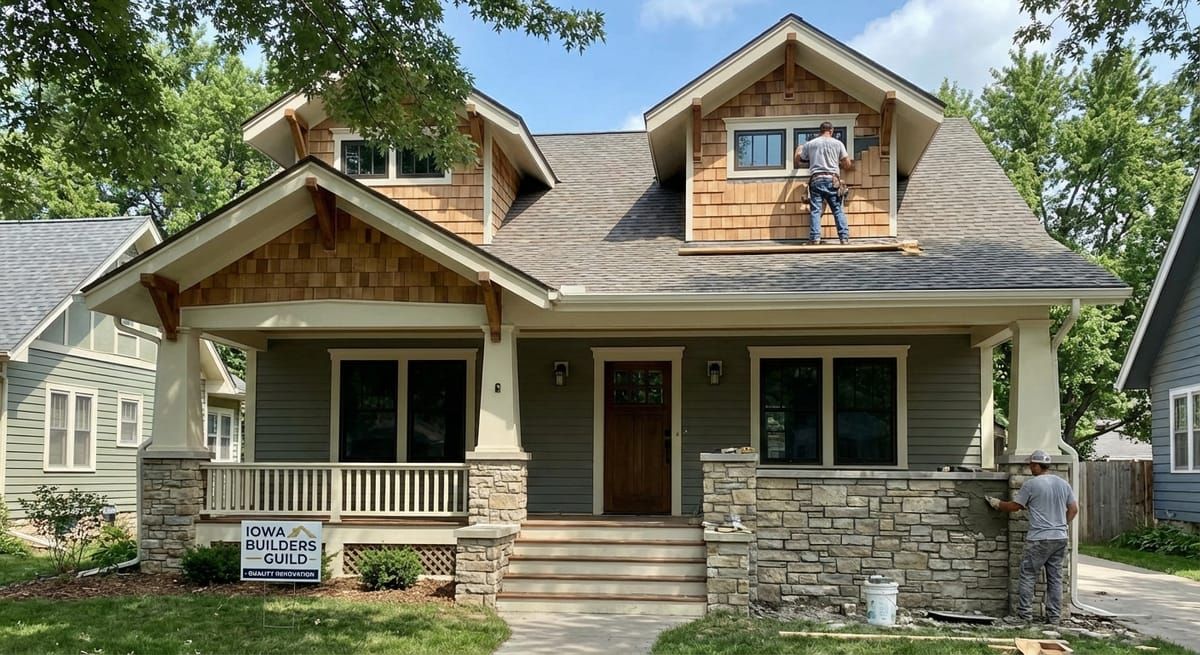
Siding replacement is a full-scope exterior renovation that removes every panel of your existing siding and installs an entirely new system in its place. Unlike repairs that address isolated sections, a complete replacement ensures uniform appearance, consistent structural integrity, and modern performance across your entire home. For Des Moines homeowners, this service is one of the most impactful upgrades available for both aesthetics and long-term protection.
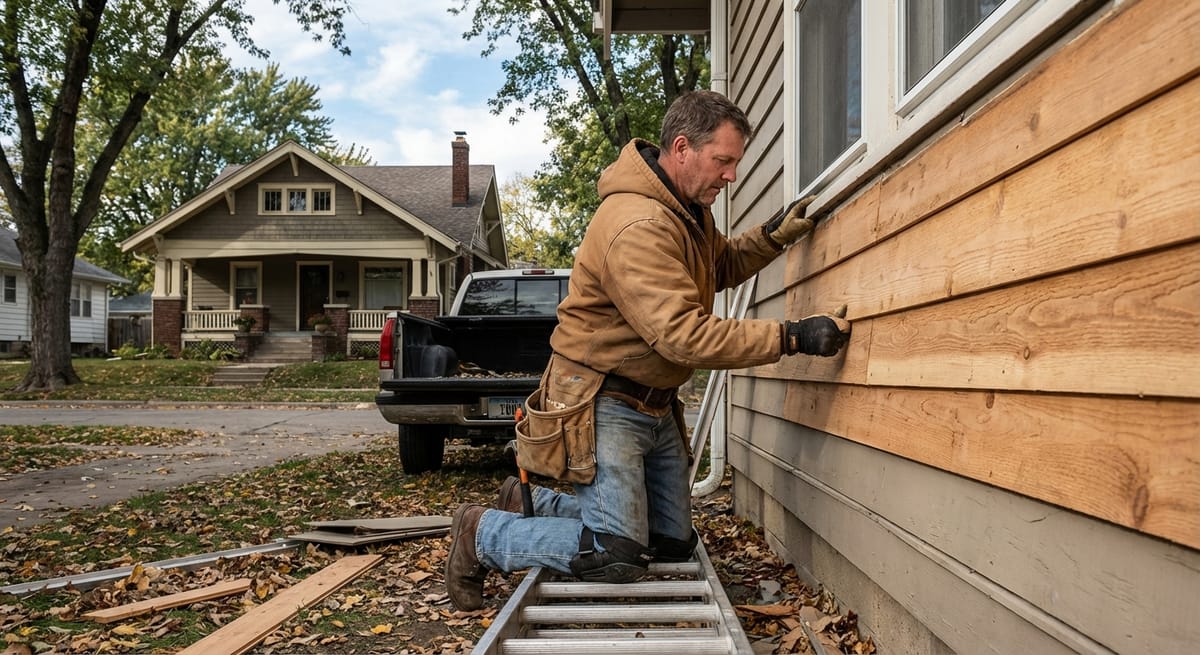
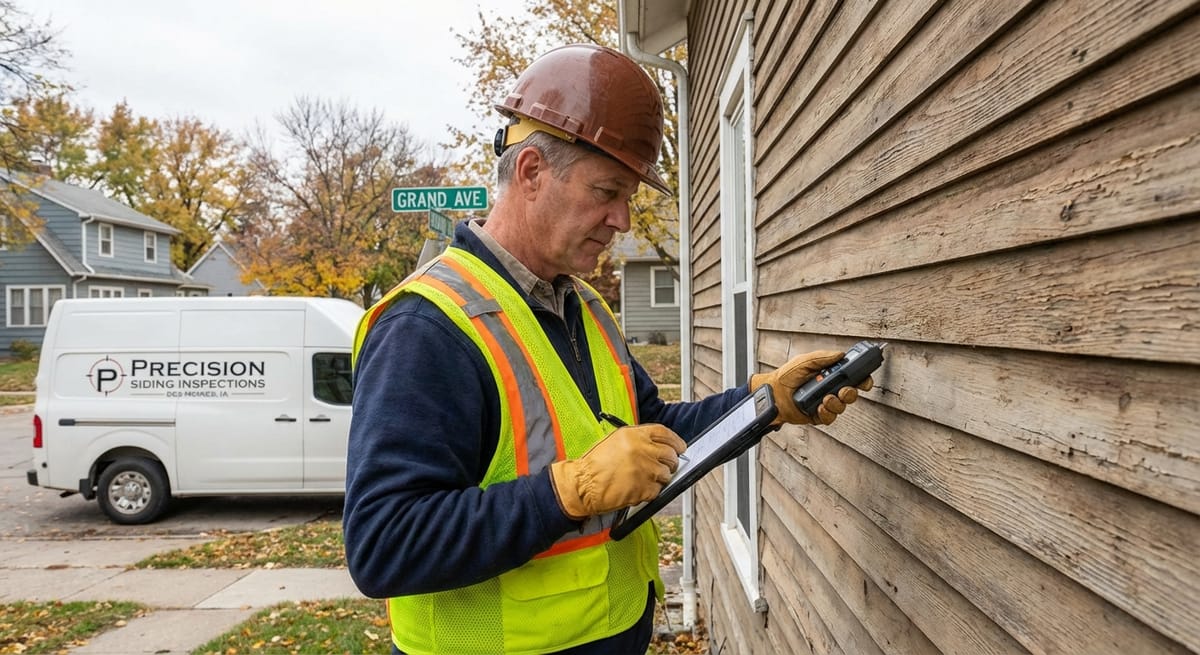
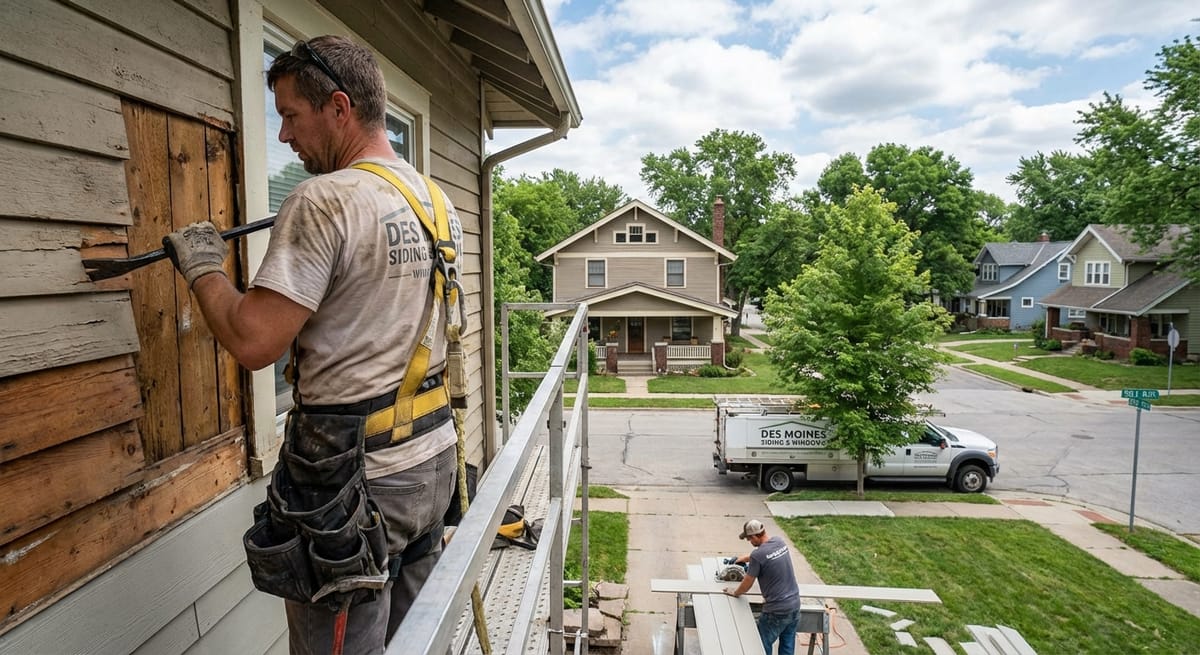
The process begins with a thorough inspection of your home's exterior. Our team evaluates the condition of the existing siding, underlying sheathing, housewrap, and insulation. Once the scope is confirmed, we carefully remove all old siding panels, trim pieces, and fasteners. During removal, we inspect the wall sheathing for signs of moisture damage, rot, or structural compromise. Any compromised areas are addressed before new materials go on, ensuring your replacement siding is installed over a sound, stable surface.
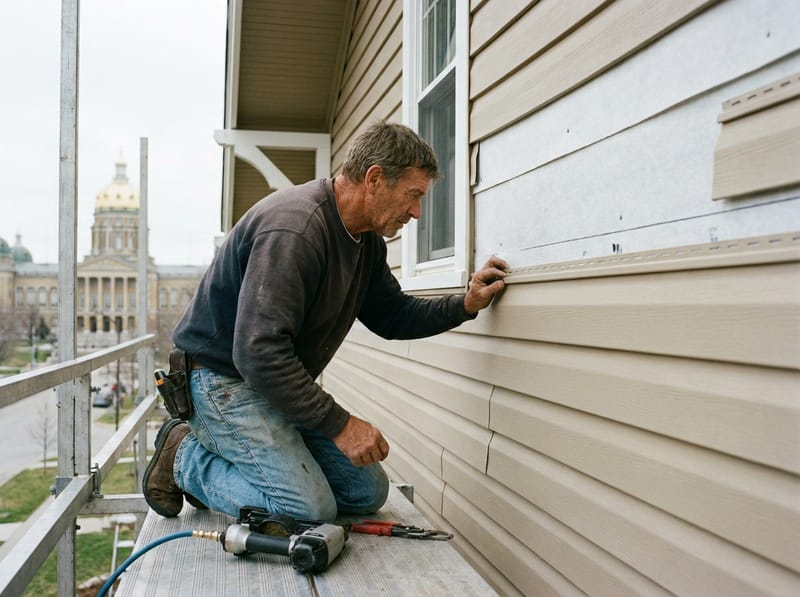
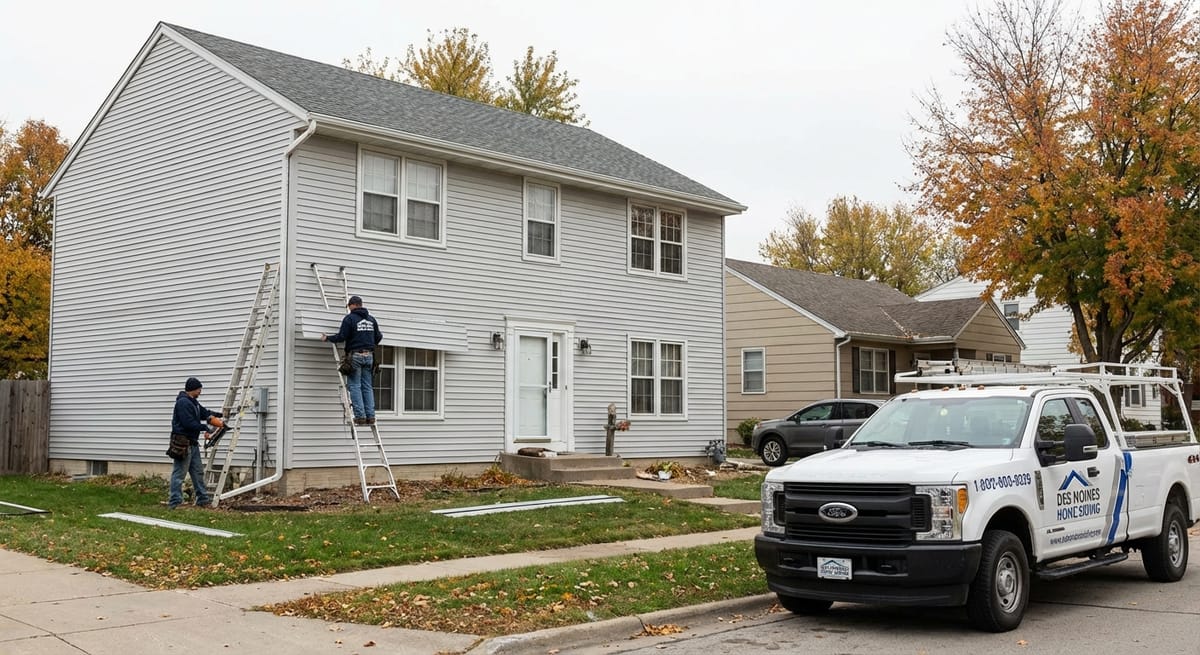
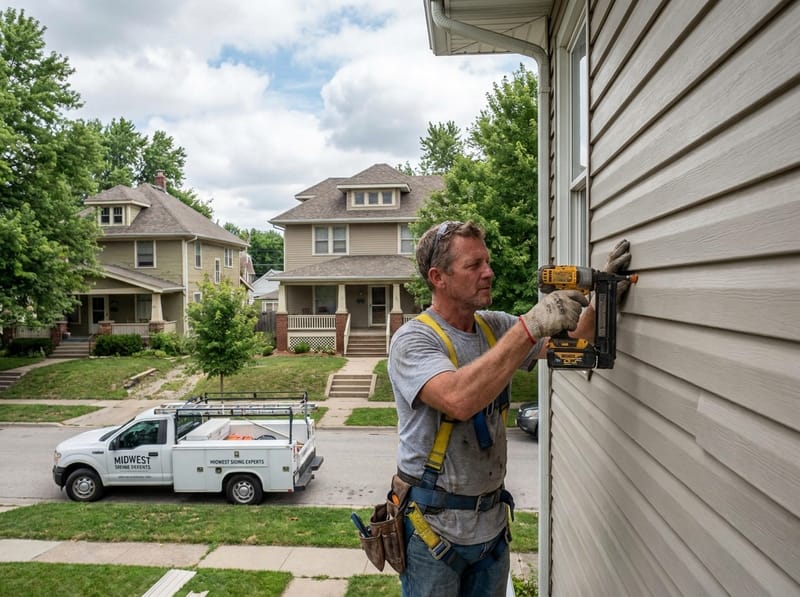
After preparation, we install new housewrap or weather-resistant barrier as needed, followed by precise placement of starter strips, corner posts, J-channels, and trim components. Each vinyl siding panel is then measured, cut, and locked into place according to manufacturer specifications. Proper installation technique accounts for thermal expansion and contraction, which is particularly important in Des Moines where seasonal temperature swings are significant. The project concludes with a final inspection to verify alignment, secure fastening, and clean finished edges around windows, doors, and architectural features.
When You Need Siding Replacement in Des Moines
Knowing when to move from spot repairs to a full siding replacement can save Des Moines homeowners considerable time and expense over the long run. Several indicators suggest that replacement is the appropriate course of action rather than continued patchwork.
- Widespread warping or buckling: When multiple sections of your siding show visible distortion, the material has likely degraded beyond the point where individual panel swaps will resolve the underlying issue.
- Persistent moisture intrusion: If you notice recurring water stains on interior walls, mold growth in wall cavities, or soft spots beneath the siding surface, the existing system is no longer performing its primary function as a moisture barrier.
- Significant fading and chalking: Extensive color loss and a chalky residue across most of the exterior indicate that the siding's protective finish has broken down, leaving the material vulnerable to accelerated deterioration.
- Rising energy bills: Older siding systems often lack the insulation backing and tight-fitting profiles found in modern vinyl products. If your heating and cooling costs have climbed steadily, failing siding may be contributing to thermal loss through exterior walls.
- Frequent repair needs: When you find yourself scheduling repairs every season or after every major storm, the cumulative cost and inconvenience typically justify a one-time replacement investment.
- Visible rot or pest damage: Sections of siding that show evidence of insect activity or organic decay point to systemic problems that surface-level fixes cannot resolve.
Des Moines homeowners who notice several of these conditions occurring simultaneously should consider a professional evaluation to determine whether replacement offers better value than ongoing repairs.
Why Siding Problems Develop
Understanding the root causes of siding failure helps Des Moines homeowners make informed decisions about replacement timing and product selection. Iowa's climate places unique demands on exterior cladding, and several factors commonly contribute to deterioration.
Freeze-thaw cycling is one of the most consequential forces acting on siding in the Des Moines region. When moisture penetrates behind siding panels and temperatures drop below freezing, that moisture expands as ice. Repeated freeze-thaw cycles progressively loosen fasteners, crack panels, and create gaps where additional water can enter. Over many seasons, this process undermines even well-installed siding systems.
UV radiation exposure gradually breaks down the chemical stabilizers in siding materials. South-facing and west-facing walls absorb the most direct sunlight and tend to degrade faster than shaded elevations. This uneven weathering often leaves homes looking patchy and worn, even when some sections remain in reasonable condition.
Improper original installation accelerates many types of failure. Panels nailed too tightly cannot expand and contract with temperature changes, leading to buckling and cracking. Missing or improperly overlapped housewrap allows moisture to reach the sheathing. Inadequate flashing around windows and doors creates entry points for water. These installation deficiencies may not become apparent for several years, but they steadily compromise the siding's performance.
Storm and wind damage is a persistent concern in central Iowa. High winds can lift and detach siding panels, while hail impacts crack and dent the surface. A single severe storm can create enough damage to warrant full replacement, particularly on older homes where the existing material has already lost some of its resilience.
Moisture trapped behind the siding from poor ventilation, clogged gutters, or landscaping that directs water toward the foundation can cause hidden damage to wall sheathing and framing. By the time this damage becomes visible on the exterior, the underlying structure may require significant repair before new siding can be installed.
What Affects the Cost of Siding Replacement
Siding replacement costs vary based on several project-specific factors. Des Moines homeowners benefit from understanding these variables so they can make informed comparisons when evaluating proposals and selecting materials.
- Home size and wall area: The total square footage of exterior wall surface directly influences material and labor quantities. Two-story homes, homes with complex rooflines, and properties with numerous dormers or bump-outs require more material and more intricate installation work.
- Siding grade and profile: Vinyl siding is available in a range of thicknesses, textures, and performance ratings. Standard economy panels cost less than premium insulated siding with realistic wood-grain textures and enhanced wind resistance. The grade you select affects both upfront cost and long-term performance.
- Condition of underlying structure: If removing the old siding reveals rotted sheathing, damaged framing, or inadequate insulation, those issues must be corrected before new siding is installed. The extent of structural repair needed is often the largest variable in project cost.
- Architectural complexity: Homes with numerous windows, doors, gables, soffits, and decorative trim require additional cutting, fitting, and finishing. Straightforward rectangular elevations are less labor-intensive than walls with multiple angles and transitions.
- Removal and disposal: The type and condition of existing siding affects removal time. Multiple layers of old siding, lead paint considerations on historic homes, or asbestos-containing materials on older properties can add to project scope and cost.
- Trim and accessory upgrades: Many homeowners choose to upgrade window trim, corner posts, soffit, and fascia during a siding replacement. Coordinating these improvements with the main project is more cost-effective than addressing them separately.
- Season and scheduling: Demand for siding work in Des Moines peaks during late spring and summer. Scheduling during shoulder seasons may offer more flexibility and competitive pricing.
Repair vs. Full Siding Replacement
Deciding between targeted repairs and a complete siding replacement is one of the most important choices Des Moines homeowners face when addressing exterior issues. Each approach has a clear role, and the right decision depends on the scope and nature of the problem.
When repairs make sense: Isolated damage from a single storm event, a localized impact, or a small section of wear can often be addressed with targeted panel replacement. If the majority of your siding remains structurally sound, properly sealed, and visually consistent, repairs offer a cost-effective solution that extends the service life of your existing system.
When replacement is the better investment: If damage is spread across multiple walls, if repairs have become a recurring expense, or if the underlying sheathing shows signs of moisture damage, a full replacement provides more reliable and lasting results. Replacement also makes sense when your siding has reached the end of its expected service life, when you want to upgrade to a higher-performing product, or when energy efficiency improvements are a priority.
A practical guideline is to assess whether the cost of cumulative repairs over the next several years would approach or exceed the cost of replacement. If so, replacement typically delivers better long-term value because it addresses all existing issues at once, comes with a fresh manufacturer warranty, and resets the maintenance clock for your home's exterior.
Our team provides honest assessments during every consultation. We evaluate your specific situation and recommend the approach that aligns with your home's condition, your goals, and your budget. When repairs are sufficient, we tell you. When replacement is the more responsible recommendation, we explain exactly why.
Why Des Moines Homeowners Choose Our Team
Des Moines Home Siding has built a reputation for dependable service and meticulous workmanship throughout the Des Moines metropolitan area. Our approach to siding replacement reflects a commitment to doing the job correctly from the initial consultation through final inspection.
Every project begins with a detailed assessment conducted at your home. We examine the existing siding, evaluate the underlying wall structure, discuss your preferences for style and color, and provide a transparent proposal that covers the full scope of work. There are no hidden charges or surprise line items.
Our installation crews follow manufacturer specifications on every project, ensuring that your new siding qualifies for the full product warranty. We use proper fastening techniques, maintain correct overlap dimensions, and pay careful attention to expansion tolerances required for Iowa's temperature extremes. Backed by our commitment to quality, every installation is completed to a standard we stand behind with confidence.
We understand that a siding replacement project affects your daily life. Our team works efficiently to minimize disruption, maintains a clean and organized job site, and communicates proactively about scheduling and progress. You can count on us to treat your property with respect and deliver results that meet your expectations.
Des Moines homeowners who invest in siding replacement gain a home exterior that looks exceptional, performs reliably through harsh Iowa seasons, and contributes to improved property value. If your home is showing signs that it needs new siding, contact Des Moines Home Siding for a thorough evaluation and a straightforward conversation about your options.