What Siding Repair Involves
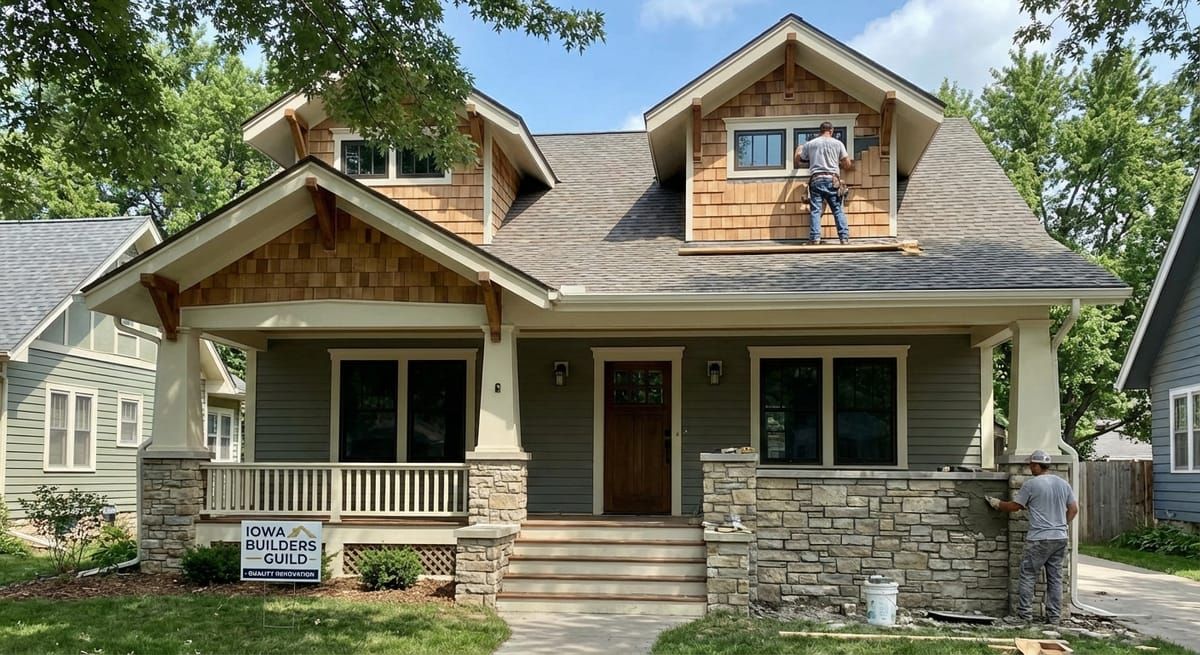
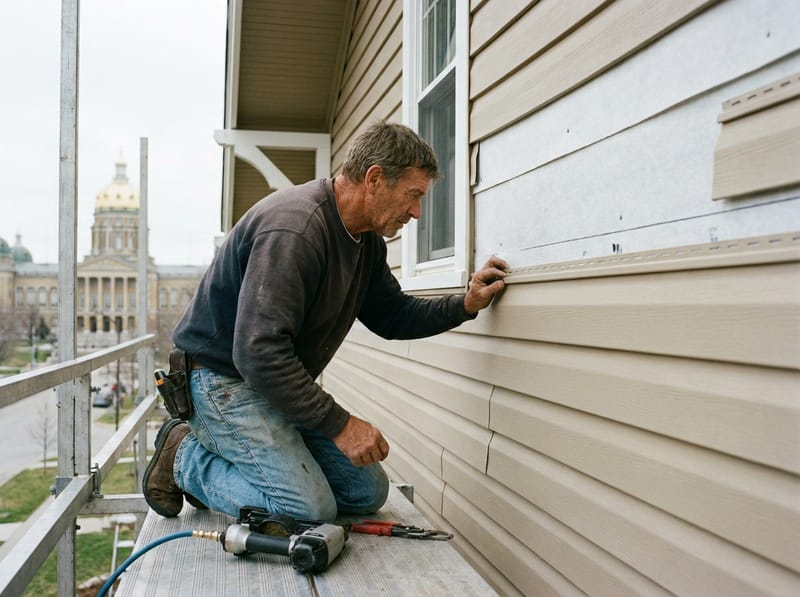
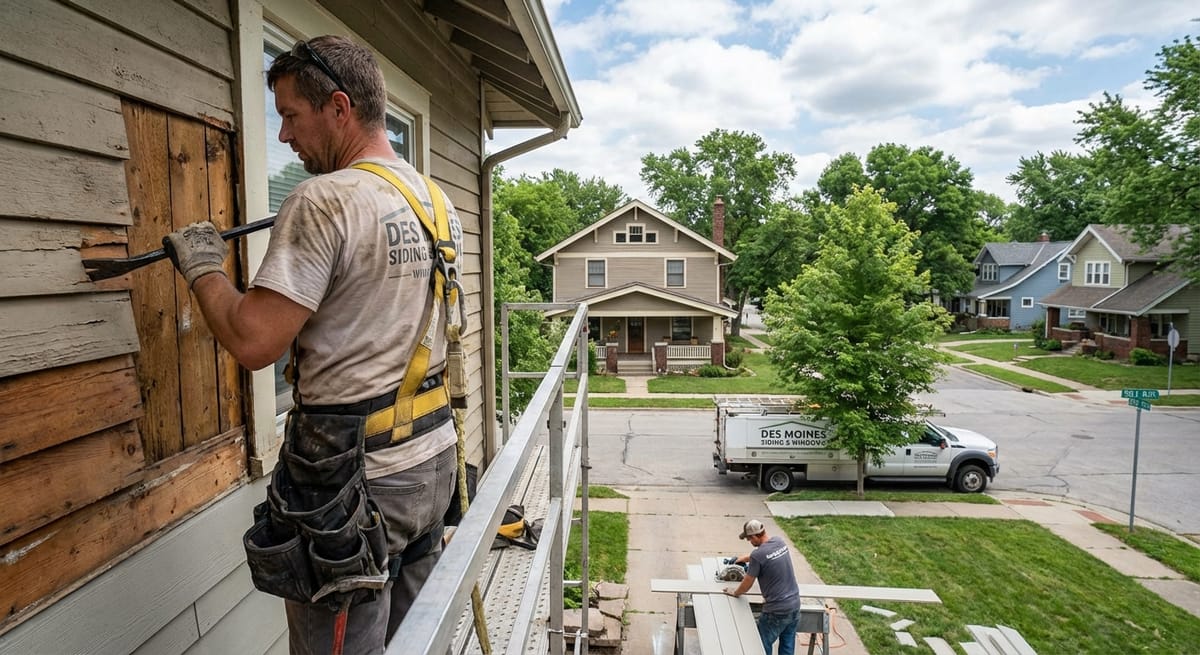
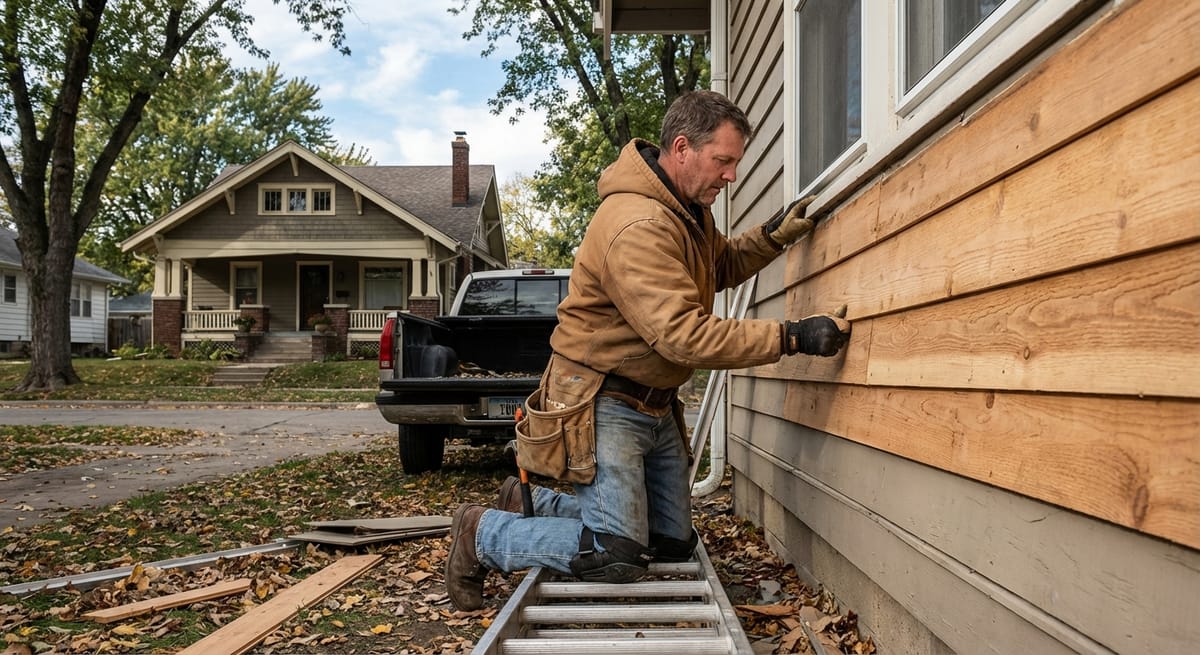
Siding repair is the process of restoring damaged, deteriorated, or displaced vinyl siding panels on your home's exterior. Rather than replacing the entire siding system, targeted repair focuses on the specific areas that need attention, making it a practical and cost-effective solution for many homeowners in Des Moines.
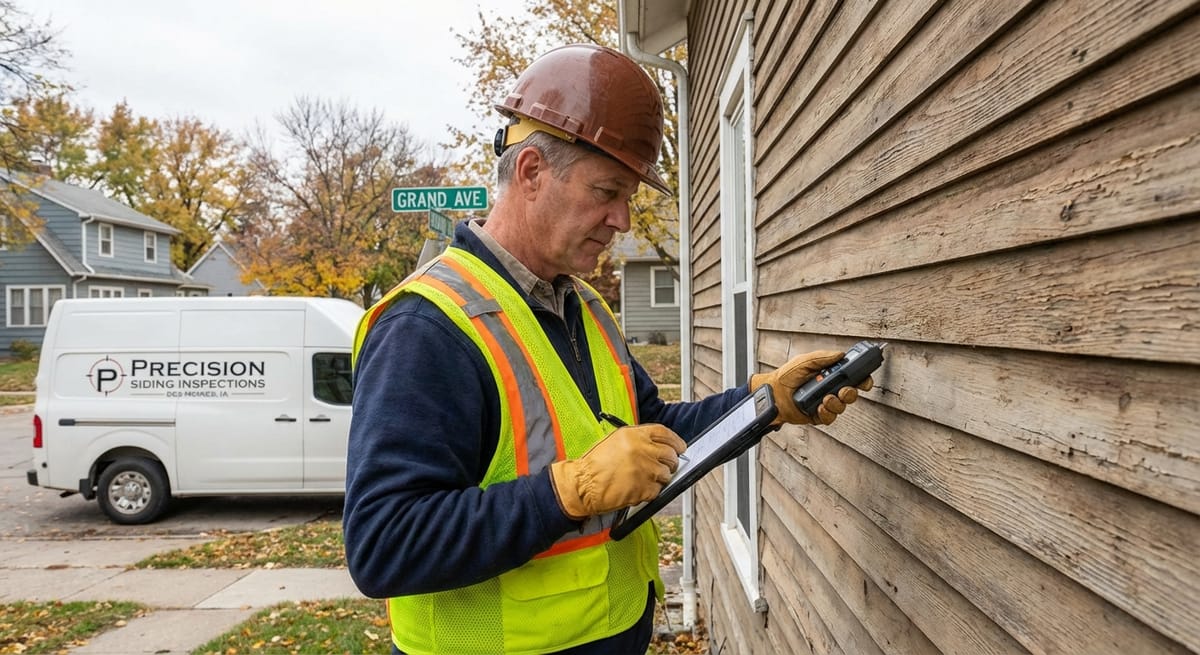
A typical siding repair project begins with a thorough inspection of your home's exterior. Our team examines each section of siding to identify cracks, warping, holes, loose panels, and any signs of moisture damage beneath the surface. Once we have a clear picture of the scope of work, we develop a repair plan tailored to your home's specific needs.
The repair process itself may include:
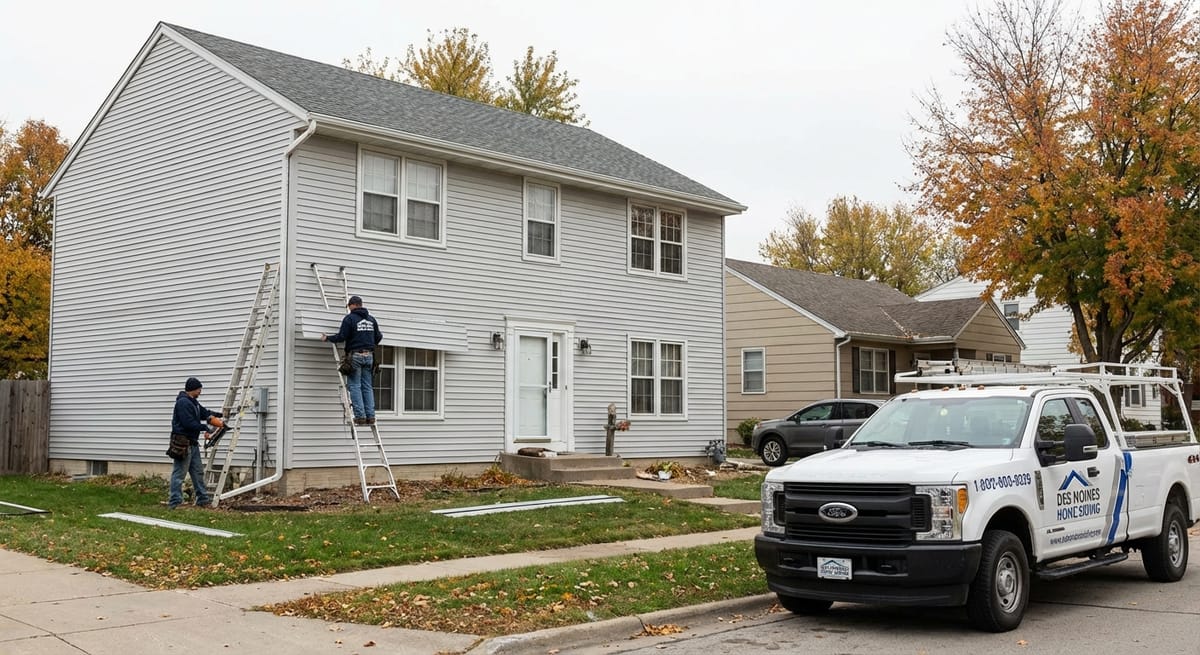
- Panel replacement — Removing individual damaged panels and installing matching replacements that blend seamlessly with your existing siding
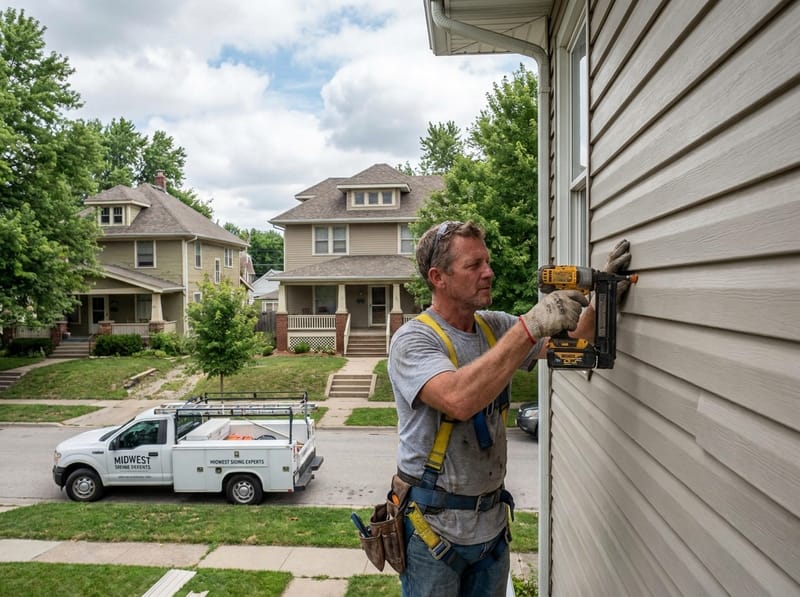
- Re-securing loose sections — Reattaching panels that have pulled away from the wall due to wind, improper installation, or fastener failure
- Sealing and caulking — Addressing gaps around windows, doors, corners, and trim where water and air can penetrate
- Underlayment repair — Fixing or replacing housewrap, insulation board, or sheathing that may have been compromised beneath damaged siding
- Color matching — Sourcing panels that closely match your existing siding color and profile to ensure a uniform appearance
Every repair is completed with attention to manufacturer specifications and proper installation techniques, ensuring that the repaired area performs just as well as the surrounding siding.
When You Need Siding Repair
Knowing when to call for siding repair can save Des Moines homeowners from more extensive and expensive problems down the road. Several warning signs indicate that your vinyl siding needs professional attention.
Visible cracks or holes are the most obvious sign. Even small cracks can allow moisture to reach the underlying structure of your home, leading to wood rot, mold growth, and insulation damage over time. If you notice any breach in your siding's surface, prompt repair is the best course of action.
Loose or buckling panels suggest that the siding has either been improperly installed or has shifted due to temperature fluctuations and wind exposure. Des Moines experiences significant seasonal temperature swings, and vinyl siding must be installed with room to expand and contract. When panels buckle or come loose, they leave your home vulnerable to wind-driven rain and pest intrusion.
Fading or discoloration in isolated areas can indicate that certain panels have reached the end of their useful life or have been exposed to conditions that accelerated their deterioration. While some fading is normal over time, uneven discoloration may signal deeper issues.
Increased energy bills without a clear explanation may point to gaps or damage in your siding that are allowing conditioned air to escape. Siding serves as a critical layer of your home's thermal envelope, and compromised sections reduce overall energy efficiency.
After severe weather events, including hailstorms, high winds, and ice storms that are common in central Iowa, you should inspect your siding for damage. Even if the damage appears minor, addressing it promptly prevents compounding problems.
Why Siding Problems Happen
Understanding the root causes of siding damage helps Des Moines homeowners make informed decisions about repairs and prevention. Several factors contribute to vinyl siding deterioration in our region.
Weather exposure is the primary culprit. Des Moines sits squarely in an area that experiences hot, humid summers and cold, harsh winters. This temperature cycling causes vinyl to expand and contract repeatedly over the years, which can stress fastening points and create gaps between panels. Severe storms bring hail, high winds, and driving rain, all of which can crack, dent, or dislodge siding panels.
Improper installation accounts for a significant share of premature siding failures. When panels are nailed too tightly, they cannot expand naturally and will buckle or warp. Conversely, panels that are not secured adequately will shift and allow moisture behind the siding. Incorrect overlapping, poor flashing around openings, and inadequate starter strips all contribute to long-term performance issues.
Age and UV degradation gradually weaken vinyl siding over time. While modern vinyl formulations are engineered to resist UV damage, prolonged sun exposure still breaks down the material at a molecular level, making it more brittle and prone to cracking. Older siding, particularly panels installed before advances in UV-resistant formulations, is especially susceptible.
Impact damage from lawn equipment, sports activities, falling branches, and hail can cause immediate, visible damage that requires prompt repair. Even a small impact can create a crack that worsens with each freeze-thaw cycle.
Moisture infiltration behind the siding, whether from a roof leak above, poor grading at the foundation, or failed caulking around penetrations, can cause the substrate to deteriorate. When the material behind the siding rots or warps, the siding itself loses its structural support and begins to sag or pull away.
What Affects the Cost of Siding Repair
Des Moines homeowners understandably want to know what to expect when budgeting for siding repair. While every project is unique, several factors influence the overall cost of your repair.
Extent of damage is the most significant factor. A single cracked panel is a straightforward repair, while extensive storm damage affecting multiple walls requires considerably more time, materials, and labor. During our initial inspection, we provide a clear assessment of the scope so there are no surprises.
Accessibility of the damaged area plays a role as well. Repairs on ground-level sections of siding are generally more straightforward than those requiring ladder work on upper stories, gable ends, or areas near rooflines. Difficult access points may require additional safety equipment and time.
Material matching requirements can affect cost, particularly on older homes. If your siding profile or color has been discontinued, sourcing a close match may require working with specialty suppliers. In some cases, strategic panel rotation — moving existing panels from less visible areas to the repair site — is a practical alternative.
Underlying damage discovered during repair can add to the project scope. When we remove damaged siding and find rotted sheathing, compromised housewrap, or pest damage, these issues must be addressed before new siding goes on. We always communicate these findings to you before proceeding with additional work.
Time of year can influence scheduling and, in some cases, material behavior. Vinyl siding is more flexible in warmer temperatures and more brittle in cold weather, which affects how carefully panels must be handled during winter repairs in Des Moines.
Repair vs. Full Siding Replacement
One of the most common questions Des Moines homeowners face is whether to repair their existing siding or invest in a complete replacement. The right choice depends on several considerations, and our team provides honest guidance to help you make the best decision for your home and budget.
Repair is typically the right choice when:
- Damage is limited to a specific area or a small number of panels
- Your siding is in generally good condition apart from the damaged sections
- A close color and profile match is available
- The underlying structure is sound
- Your siding still has significant remaining useful life
Replacement may be the better investment when:
- Damage is widespread across multiple walls
- Your siding has become brittle and cracks easily, indicating material fatigue across the entire system
- You are experiencing recurring moisture problems that suggest systemic installation issues
- Color matching is impossible and repaired sections would be visually conspicuous
- Energy efficiency improvements are a priority, as newer siding products offer substantially better insulation performance
We never recommend replacement when a repair will effectively solve the problem. Our goal is to provide you with a dependable solution that protects your home and delivers lasting value. When we assess your siding, we present both options with clear reasoning so you can make a confident, informed choice.
Why Des Moines Homeowners Count on Our Team
Des Moines Home Siding has built a reputation for delivering dependable siding repair backed by our commitment to quality workmanship and honest communication. Our experienced team understands the specific challenges that central Iowa weather presents and applies that knowledge to every project we undertake.
We stand behind our work with clear warranties that give you peace of mind long after the repair is complete. From the initial inspection through final cleanup, we treat your property with respect and keep you informed at every stage. Our approach is straightforward: assess the damage accurately, recommend the most effective repair strategy, complete the work to a high standard, and ensure you are fully satisfied with the result.
If you have noticed damage to your vinyl siding or simply want a professional evaluation of your home's exterior, contact Des Moines Home Siding to schedule an inspection. Addressing siding issues early protects your home's structure, appearance, and value — and our team is ready to help you get it done right.